
With My Compliments
This week my goal was simple. I wanted to compliment 5 strangers. Now I’ll be honest, in most of my life I have been the outgoing one, the one making sure no one was overlooked or left out, so it’s not a huge stretch for me to accomplish this goal.
When I was in a work environment, whether there were problems, issues of contention, internal disagreements we were working on or not, at the very least, I felt like I was a part of something. There was a mutual desire to grow in knowing the people around me, I was always working to build new relationships, and connecting the relational dots in my world. Moving across the country and starting from scratch in my 60’s has been a lot harder than I imagined. Looking for a job in the current job search climate can be humiliating. It can knock you off center real quick. Besides the financial strain, the vocational ghosting, looming tax deadlines, and increasingly higher costs of living, there is one word that causes me to feel more pressure than any other. Rejection.
Even the most benign brush off feels personal. You tell yourself it’s not personal but it acutely feels so. Hearing, “we went in another direction”, or sentiments that expressed thanks but no thanks, or worse, complete silence - can really throw you off kilter. How does one keep putting themselves out there, day after day, week after week? Why do we place such a value on expressions of reassurance, or value, or gratitude? Why do we really need it so much?
Our modern society is built to provide avenues of connection and validation through social media platforms, and we are trained to chase that feeling of belonging and connection but those feelings are shallow and they just don’t last. That is what keeps us hunting for more. Old acquaintances demand too much positivity so that they aren’t spooked by the state of my life. Reading demands too much slow focus. Life can feel very chaotic, yet unfulfilling and pointless when you are in this stage. Hope often feels ridiculous. It’s important to realize that when I can’t have that need met by an external source, I have to find a way to meet it internally. And for me, that always requires some kind of action. It has become an intentional choice - a matter of what I see. Where I look. What I give power to hold my attention.
So I return to my very real and tangible goal. Complement 5 strangers. I started with the most obvious, strangers I meet in the grocery store, people I pass in the parking lot and of course, job interviews. I’m not so sure this is useful in interview strategy, but at this point, getting a job feels as fleeting as not trying at all, so at the conclusion of job interviews this week, I just decided to go for it. In one interview with a team of 3 individuals I simply expressed what I witnessed. They were obviously a close knit team who had worked together for years, so I remarked on how special that was and threw in some personal observations about their company. and what an impact they make on their community. Then in another interview for a non profit, I took a moment to compliment the 2 interviewers on their dedication to the mission and the way they show such care for the community that has overcome so much since the hurricane.
I have a trained eye for these details and I think when I pointed them out, it was surprising to them. The people were genuinely grateful for the thoughtfulness and curiosity expressed in my comments. It is too soon to tell what the outcome of these interactions will be, but this one thing I do know. My kindness affected them. My sincere interest buoyed their spirits and made them proud of their own contributions in their work. I wish I could simply close by saying that that is enough for me. But hey, I’m looking for a job here.
I guess the point of what I learned this week is - if hope feels personally far away, it’s best not to climb into a hole. Climb out. Look around. Build connections even if there seems to be nothing given in return. Make the world brighter. Pay it forward. If I can do it in an adverse scenario like during a job hunt, I can do it anywhere and my life will ultimately be richer for it. And that has to be enough for now.

Unbroken
I remember only a few weeks ago when I set out to write about my experience in building a new life. It seemed like a good way to document progress. Good intentions were had. A strong desire for change and growth was real. I don’t know if I’m the only one this happens to, but it seems like any time I set out to shift my focus, direct my life in a new way, everything on earth conspires against me.
Back in February, my oldest son and daughter-in-love in Montana, had a baby, so considering my high expectations of getting a job quickly, I jumped on a plane to go celebrate this precious new arrival to the world - while I could. I always appreciate a change of scenery and in routine, so it felt quite healthy to be on this trip - healthy until I slipped on the ice and fell and broke my arm.
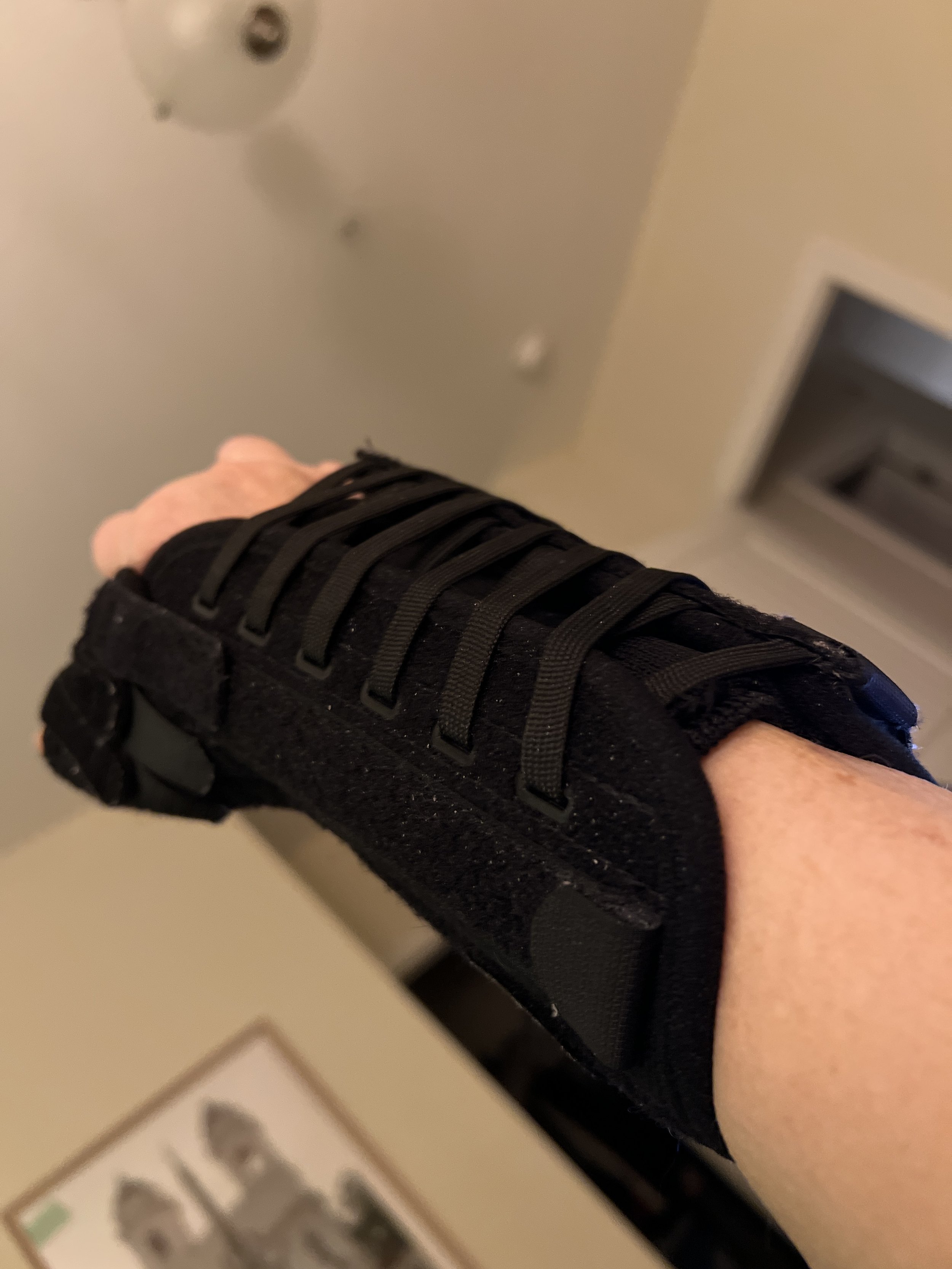

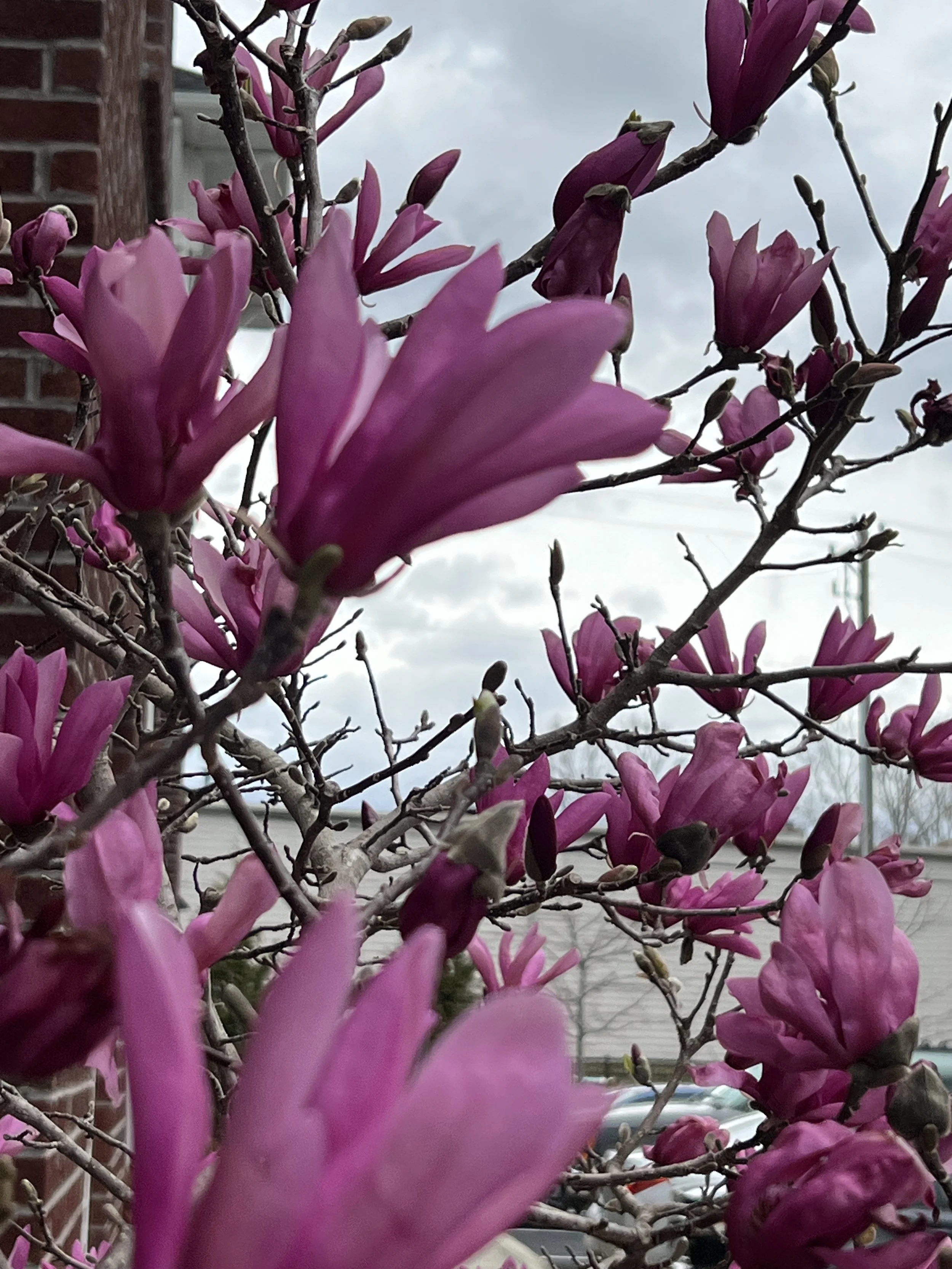
At first I thought losing the use of my arm, even temporarily, would be nothing more than a minor inconvenience. But as time slipped by, my limited ability to do simple tasks like styling my hair, putting dishes away, preparing food moved beyond little frustrations. Those minor inconveniences became glaringly problematic in the job search. I was landing interviews, but felt like I presented a potential problem to employers in interviews rather than solutions. It messed with my mind because I could not accurately gauge where the gaps were. Was it age, skill, typical job search search delays, or the more obvious mobility concerns?
So it begs the question: Will waiting for my arm to heal be the answer? Or will it just put me farther behind schedule in reaching my goals.
Even while writing this, I realize that a broken arm is not that terrible. People face far more difficult and longterm impairments than that every day. I think that with the pressures of a cross country move, having no friends or community yet, having zero income, looking for a home or land that feels so out of reach in this economy, the original goals of curing bad habits and changing thought processes feel like back-burner issues. But are they?
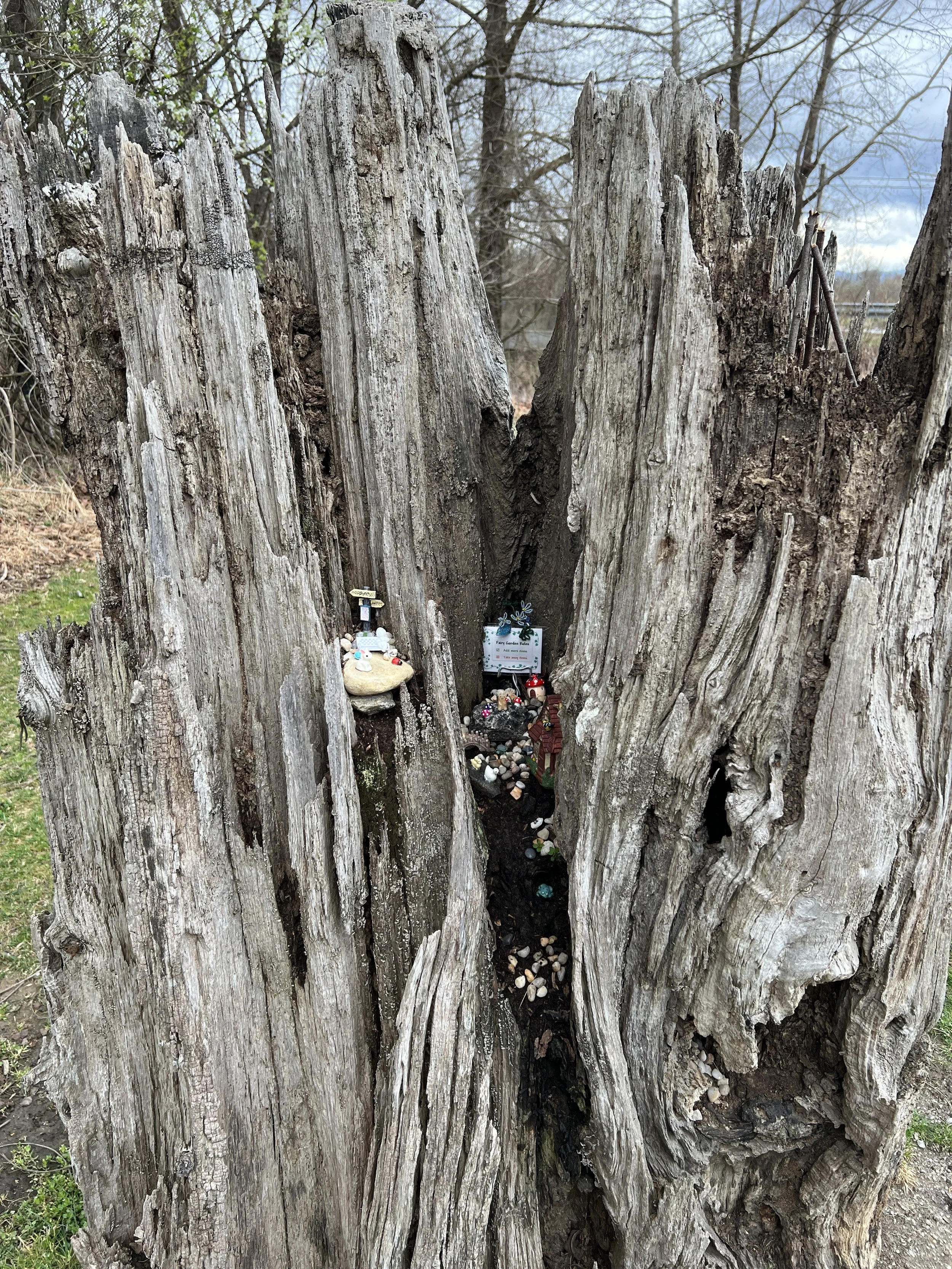
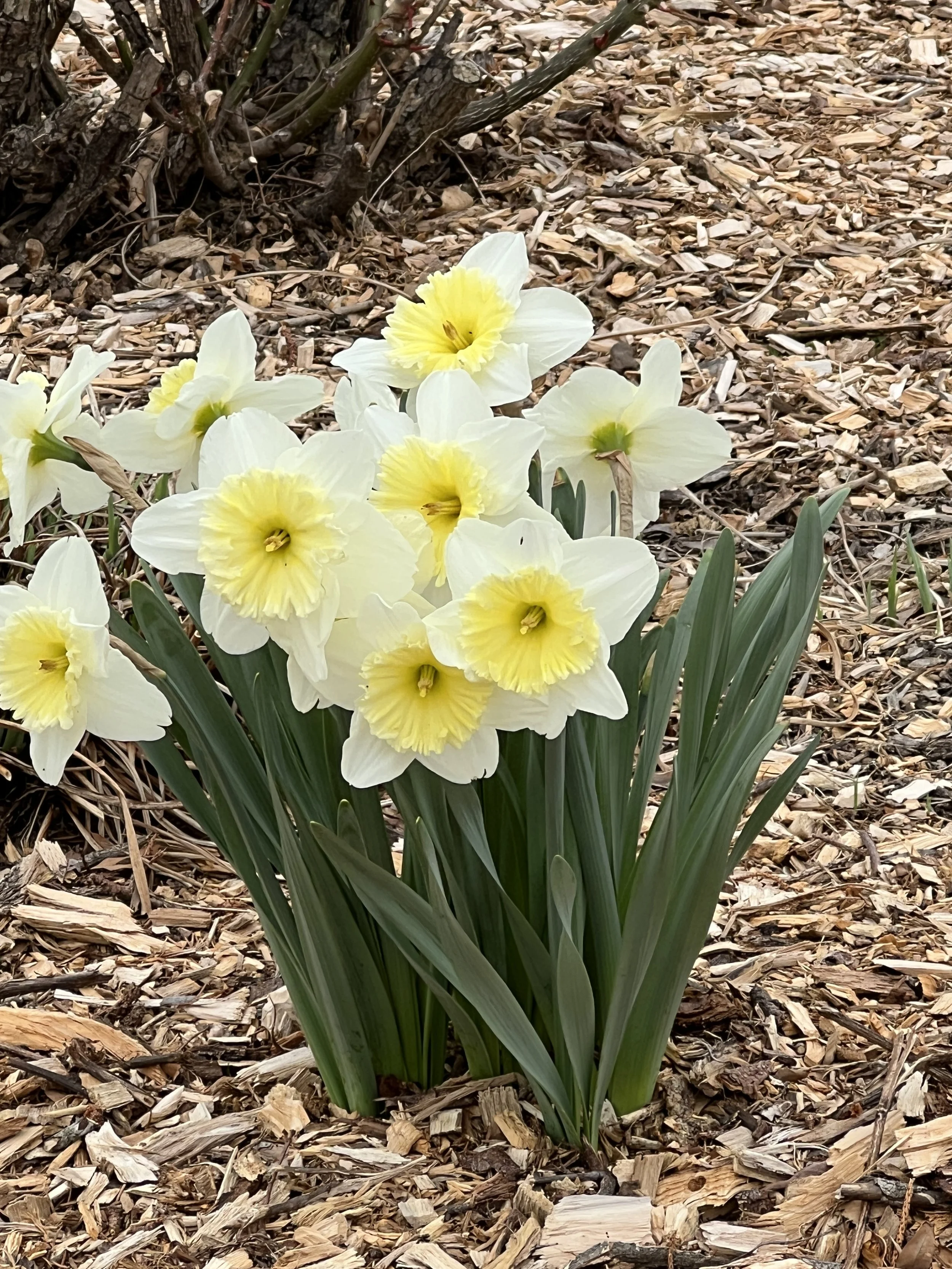
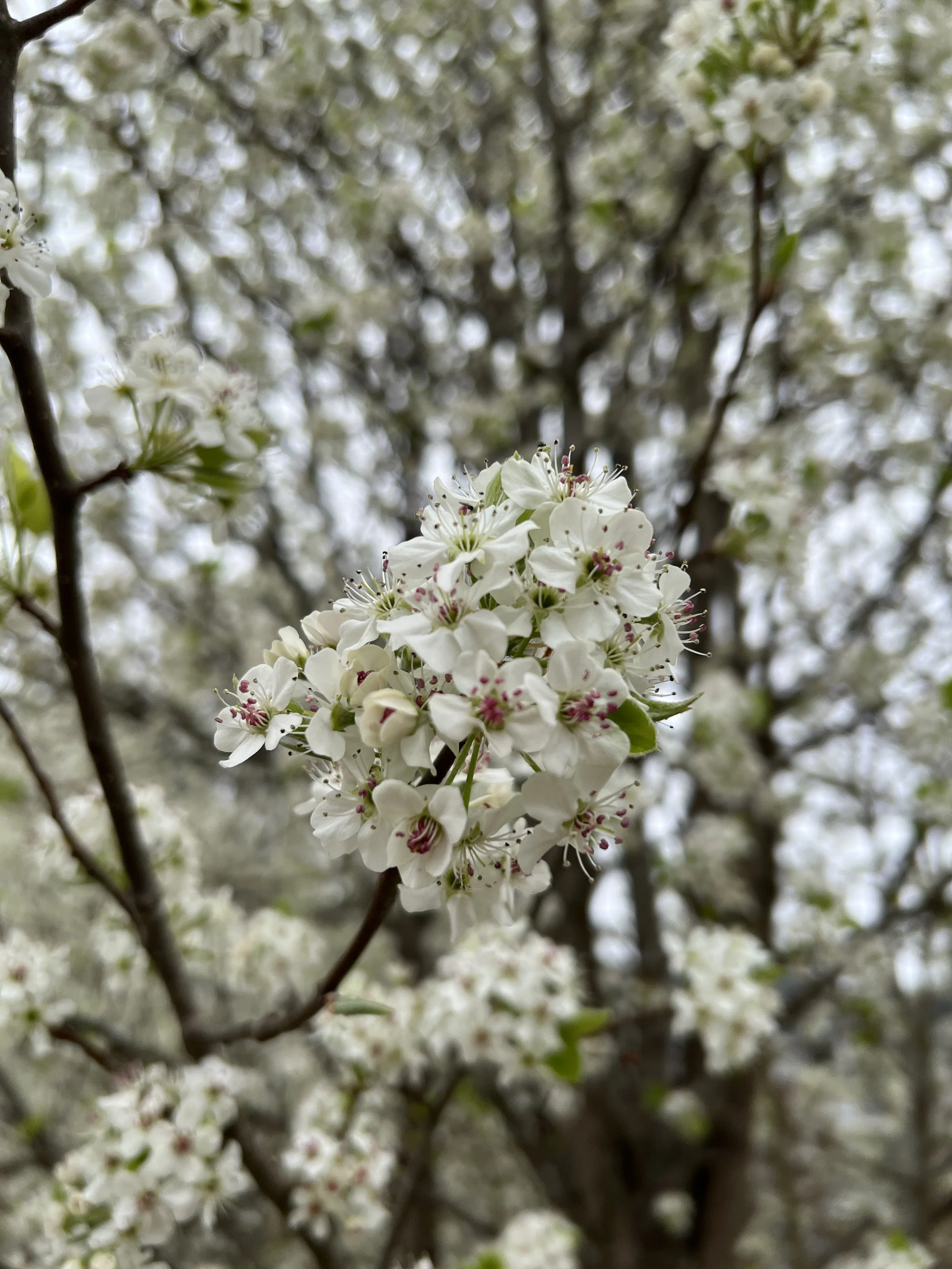
I went out to take a walk and came across a tree stump. Inside this tree stump, someone created a whole magical minuscule world. There were tine houses, and pathways and signs. Here I was, in the middle of this huge park filled with trees, with people exercising and playing sports, there was this other tiny world, completely overlooked by most passersby. I’m trying to be more intentional to notice the magic within the flurry of everyday striving.
The truth is, there is no time like the present - right now - to change. Life doesn’t suddenly improve on it’s own. It takes effort and intention to become something you’ve never been before. It takes partnering with hope and expectation that there is no proof for. It takes keeping the objectives front and center - even when all of life seems to be conspiring against you. So I’m keeping my eyes on the tiny imperceptible little things God is doing - while I go.
I have goals. I am losing weight. Gratifying work is coming. Building a community around me is worth working for. Putting my personal desire for inner change on the back burner will not support these goals - going after them with furious intention will help me achieve more than a quick fix. It will deliver long term change and satisfaction. Getting my mind right is worth the effort. My arm will heal. And the future is worth fighting for.
I look forward to exploring more around this idea of “fighting” for my future in the next post.

Becoming Fearless
When we think of the word fearless, we often imagine explorers and adventurers—risk-takers, bold and brave individuals who are seemingly unafraid. Undaunted, they say “yes,” and at enormous personal cost, they pursue the object of their quest with relentless determination. No matter what anyone else says or thinks—or even what they quietly fear themselves—they keep moving forward.
That definition doesn’t feel like me. It doesn’t look like me. And yet, I have decided that this is me.
I am not at my ideal weight. My gray hairs are becoming more noticeable, and I can no longer hide the wrinkles on my face the way I once did. Still, in spite of these physical signs, I know I must dig deeper. I must peel back the layers of who I have always been in order to become who I am becoming.

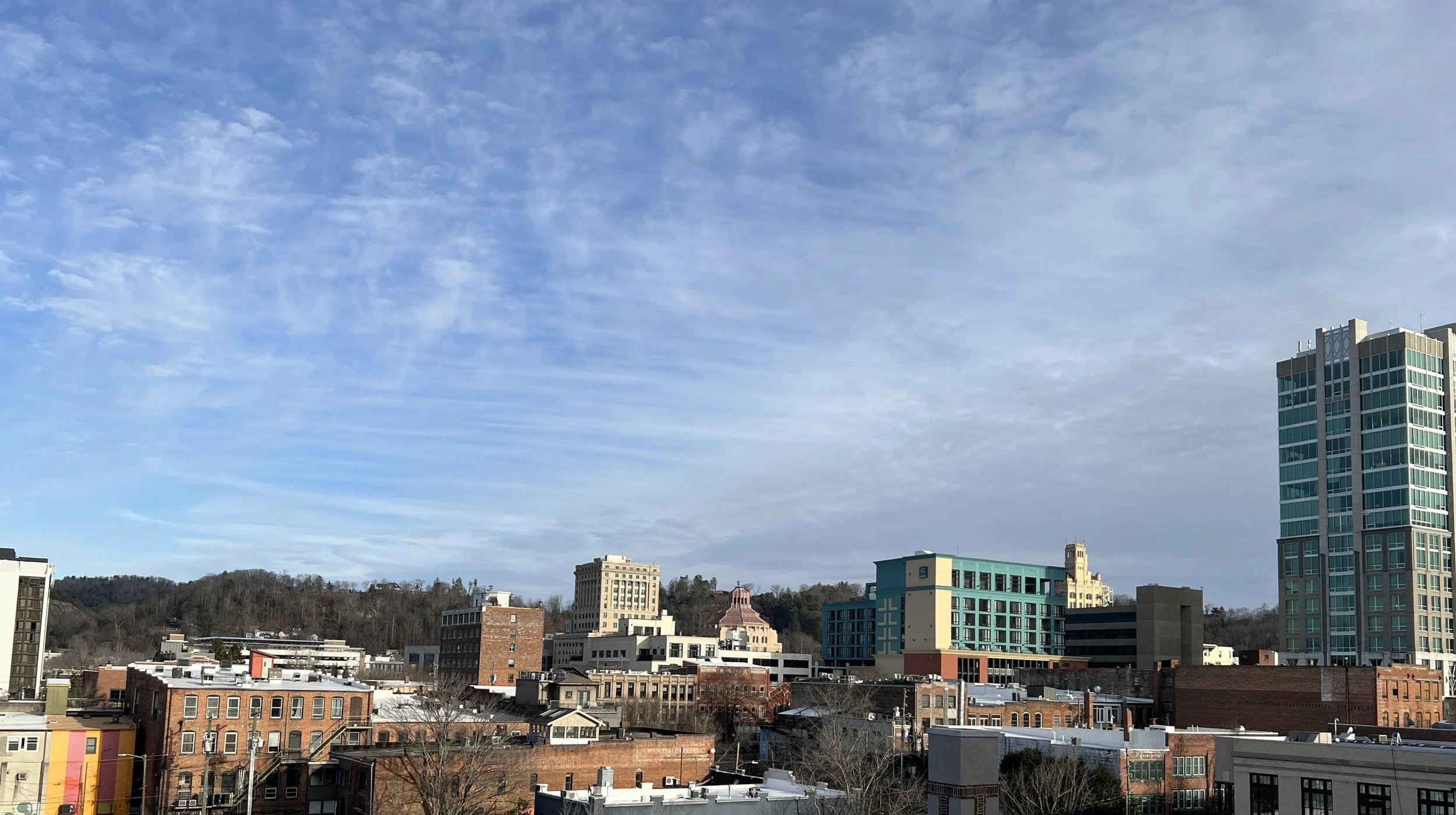
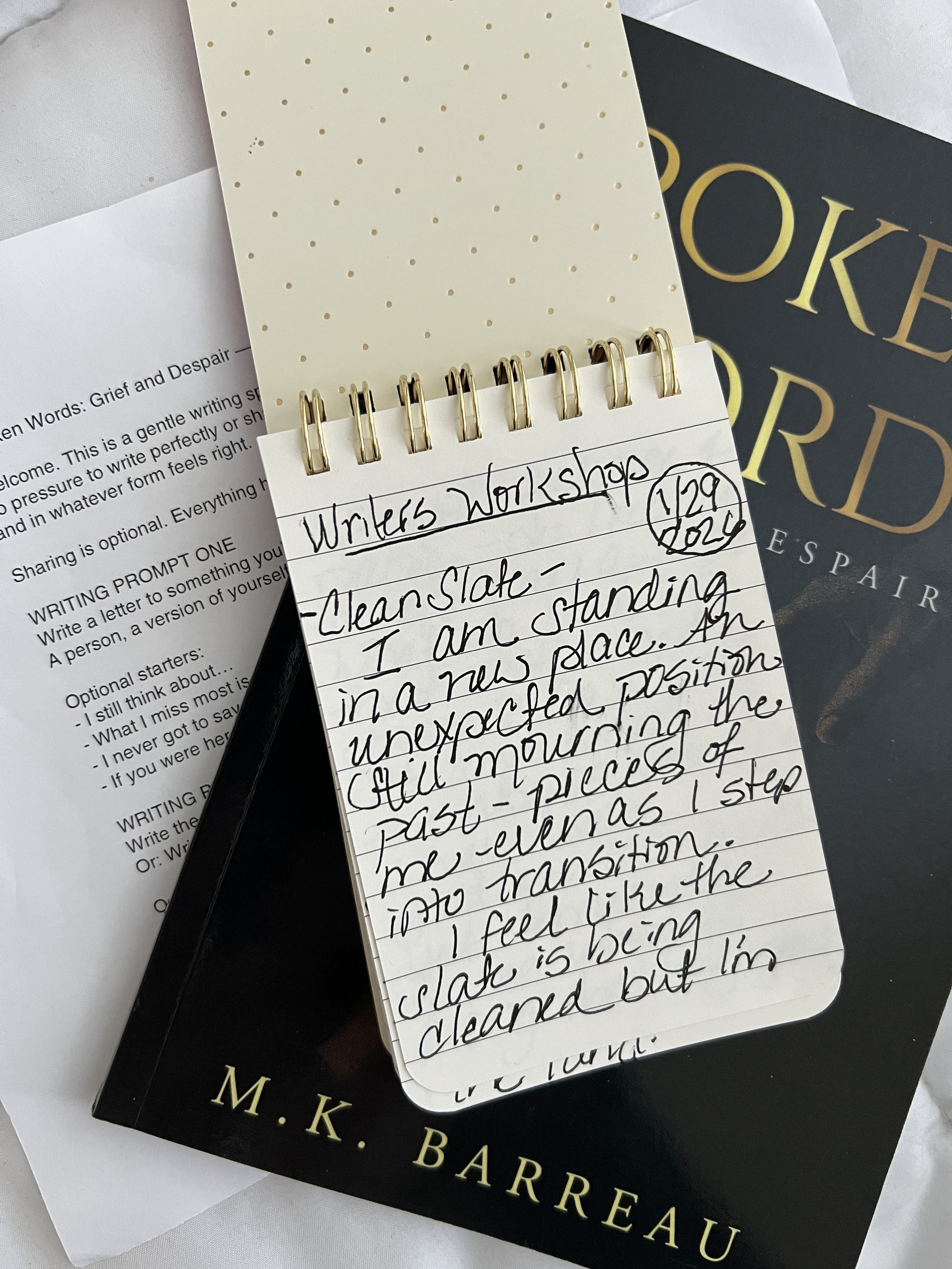
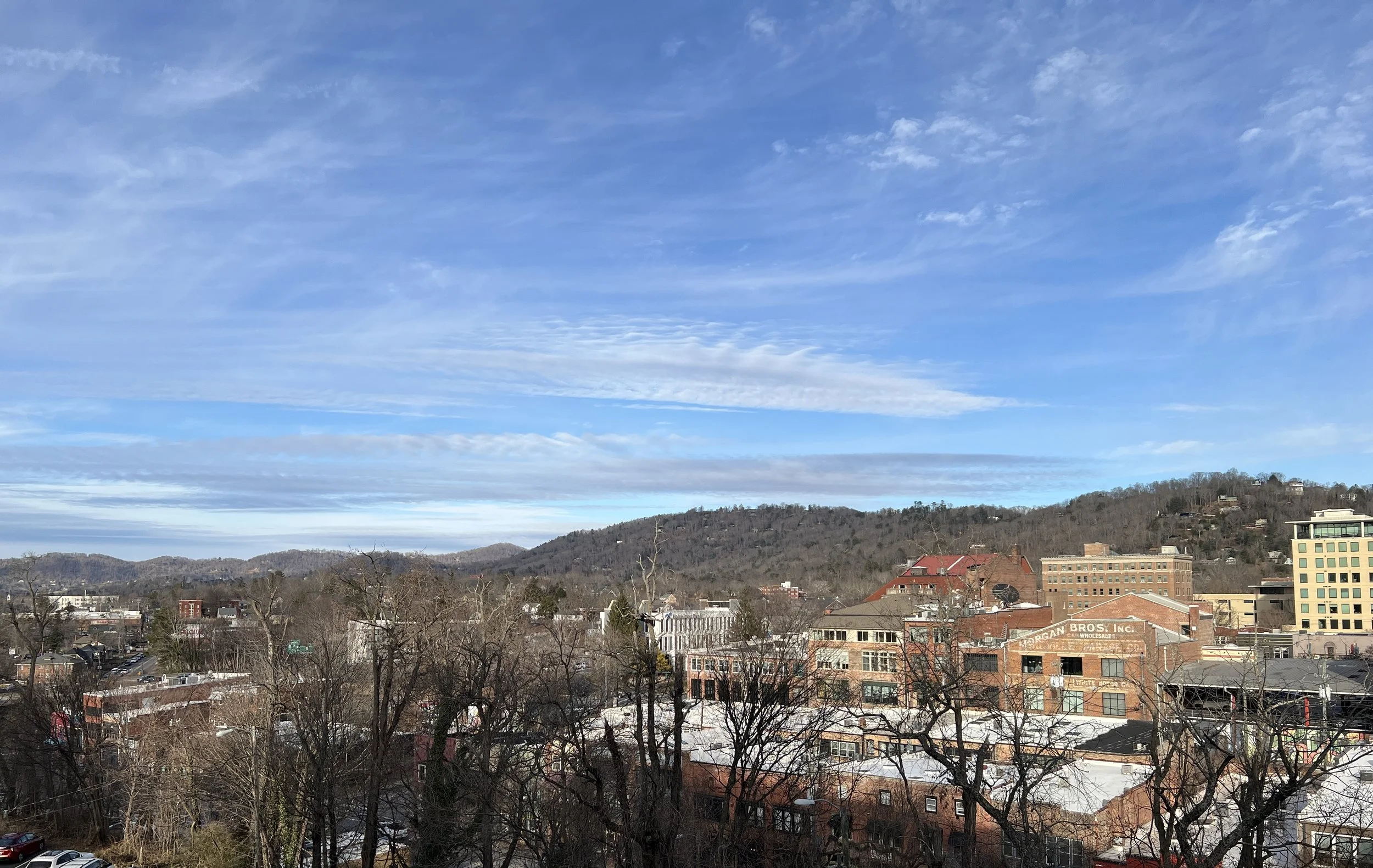
This week, I decided to take a writing workshop in my new city.
Armed with a tiny notebook that fits neatly into my purse, I set off. I had only been to this city once before—and never even gotten out of the car. But this time, I drove in, found parking in a garage, and walked into a room full of strangers.
I felt different from them right away. I don’t speak with the deep Southern drawl many of them had, which made me lean in closer, quiet myself more intentionally, and listen harder to what they were saying.
There were about twenty-five people in the workshop. We were asked to do two impromptu writing exercises and then share what we wrote with the group. While public speaking makes most people shrink, I felt surprisingly free. I didn’t know these people. I had nothing to lose.
The first prompt was: Write a letter to something you’ve lost.
So here is what I wrote:
I am standing in a new place. An unexpected position, still mourning the past and pieces of me, even as I step into transition.
I feel like the slate is being cleaned but I’m left with feelings of panic - do I really sweep it all away?
What do I put in that vast empty space? Do I just sit and stare at the abyss, knowing I have said goodbye to so much yet unable to see what is filling that holy ground?
Empty.
Empty.
Empty.
As images attempt to crawl back onto that barren block of time and space I find myself chasing them, considering them, sweeping them back off the land.
You are no longer welcome to hold my attention captive - all the things I tried to wrestle to the ground, to hold still, or to control.
You are no longer allowed, you fears of failure, you monsters with piercing eyes and fangs longing to get sunk into me.
You are banished. All you people-pleasing high wire performers.
The ropes have been cut and are laying across that empty space - powerless - at ease - no manipulation, no control required.
I will boldly look out across that barren landscape and say
Welcome unknown friendships.
Welcome joy.
Welcome wild trying.
Welcome scraped knees and red face.
Welcome life.
The teacher reminded us that whatever comes through on the page is enough. I think that statement offers incredible freedom—permission to say what you feel without editing yourself into silence. I couldn’t stop thinking about how much I wish I could live my life that way: without fear or doubt, trusting that whatever I do or don’t accomplish, however my life appears from the outside, is simply… enough.
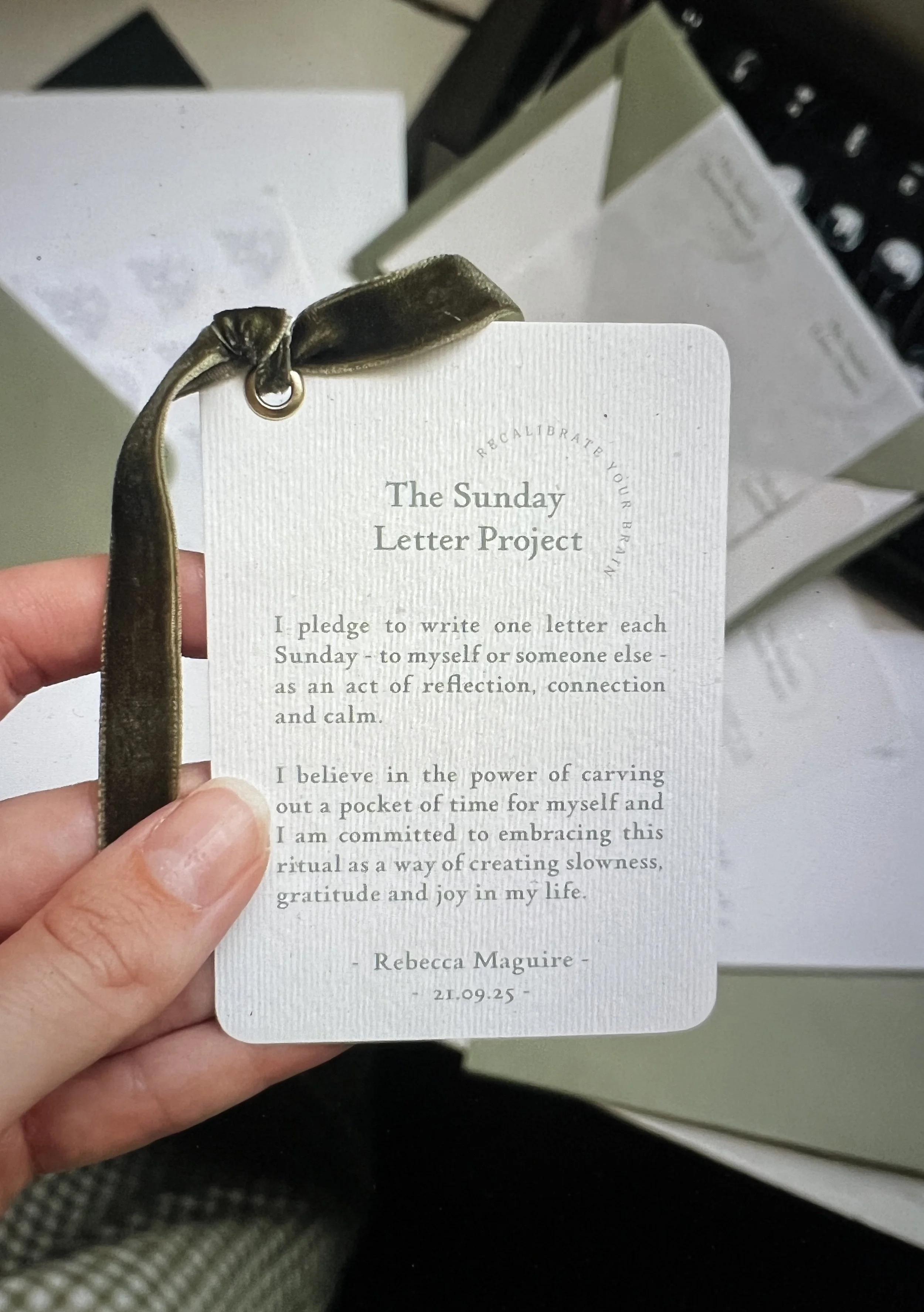
As I continued searching for avenues of writing and self-expression, I stumbled upon a beautiful website based in the UK called The Sunday Letter Project. The idea is simple: take a pledge to handwrite a letter every Sunday—to a loved one, to yourself, to an old friend, or even to a stranger.
They describe it this way:
“To write, to ponder, to savour. To regenerate a practice that has connected humans for generations and is starting to be lost. We believe letter writing is a unique way that we can find our way home as humans, and we invite you to join us.”
What an incredibly beautiful gift—to give to yourself and to others. I joined, of course.
This exploration of writing awakened something in me that doesn’t live on the surface. It’s quieter. Deeper. A desire to connect with others through words. It may not be everyone’s cup of tea, but I know I needed it.
I want to be bold and brave. I want to be fearless in how I love people and in how I express their value in my life. This week reminded me that the things we value most deserve to be pursued with intention—doggedly, even—no matter how unfamiliar or uncomfortable the path may feel.
Fearless, I’m learning, doesn’t always look like bold leaps or dramatic risks. Sometimes it looks like walking into a room where you don’t know anyone, or putting words on a page you don’t yet understand. Maybe fearless isn’t the absence of fear at all, but the choice to move forward while still carrying it. This week, I took a small step toward something that matters to me—and for today, that feels like enough.

Saying Oui to Me
If you’ve been following along, you may have noticed a pattern: each week I’m setting intentional goals. Some are simple. Some are uncomfortable. Some feel a little scary—the kind of things I don’t normally jump right into. This week’s goal fell squarely into that last category.
This week, I decided to reclaim a lost dream.
I have always wanted to learn French. There’s something undeniably romantic and beautifully mysterious about the language. Years ago, when I was young and newly married, I actually started studying French in college. At the time, my husband was busy stacking degrees while I was the one bringing in steady income. Still, I wanted something just for me, so I enrolled in French at a local community college.
It wasn’t easy. In fact, it was hard. But it was fascinating. I made it through the first semester, and then life intervened. I became pregnant during the second semester and was so sick and exhausted that I had to drop out. I never went back.
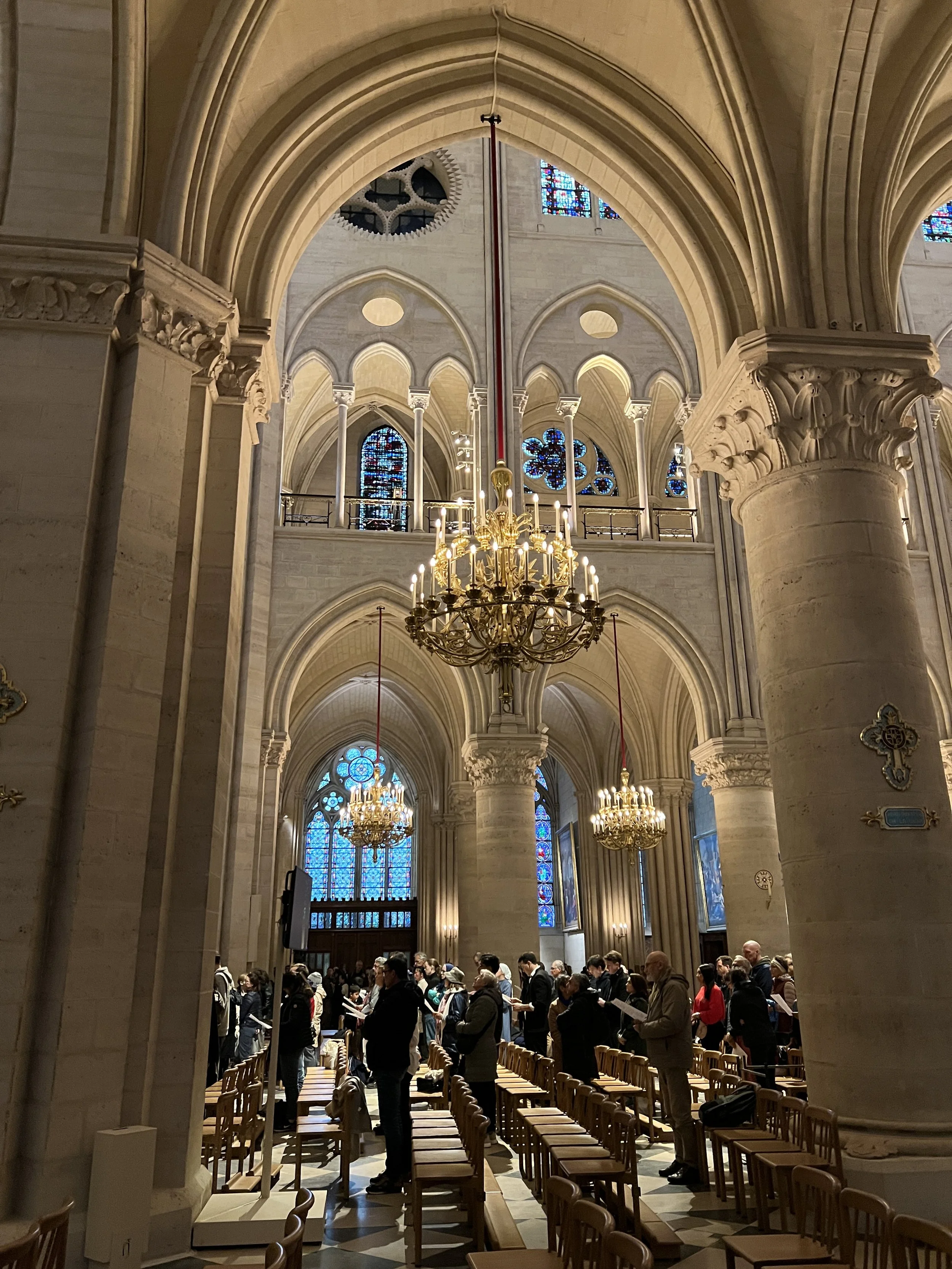
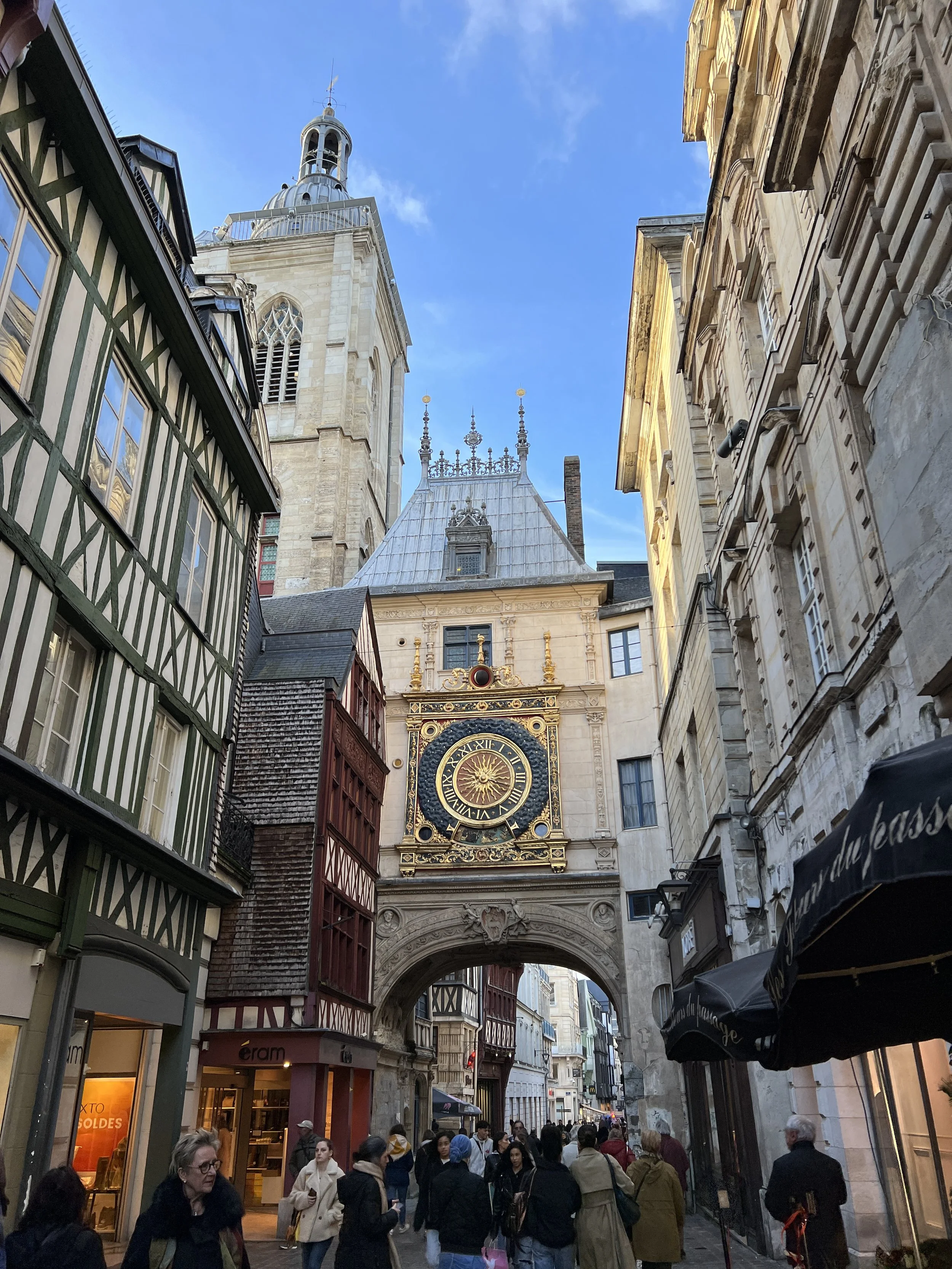
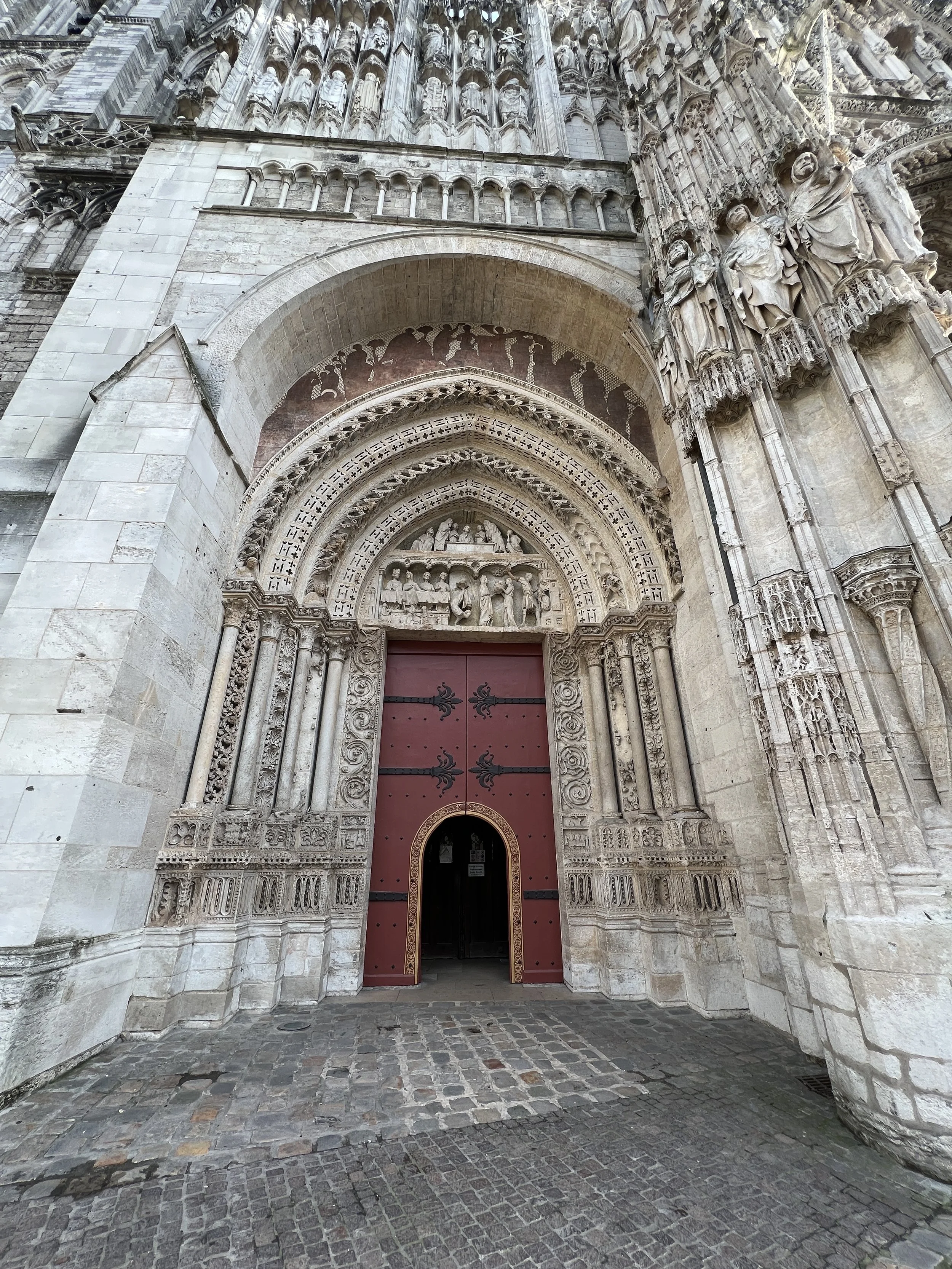
That unfinished chapter stayed with me. I’ve visited France many times since then—once even traveling through the country alone—and every time I wished I really knew the language. Not the awkward, phrasebook version. Not the country-bumpkin American butchering words and hoping for mercy. I wanted fluency. Or at least something close.
Now I’m at a stage of life where it no longer makes sense to let intimidation decide what I do or don’t try. So this week, I began learning French again.





I started small. Very small.
I downloaded Duolingo. If you’re unfamiliar, it’s a free app where you can learn almost any language in short, game-like lessons—often in under ten minutes a day. It removes the heaviness from something that normally feels overwhelming and replaces it with curiosity and play.
Once I got going, I leaned in a bit more. I explored online options and found countless free YouTube videos. Then I stumbled across The Open University in the UK, which offers entire online courses—completely free. I signed up immediately and dove in. I started learning about the history of the French language, how it connects to Spanish, Italian, and even English, and how many words we already share. It has been genuinely fun.
Of course, I couldn’t stop there. I added flash cards—because of course I did. Amazon has some wonderfully practical options, along with some charming travel-focused ones that feel especially motivating. There are countless books available as well.
I know learning a language is a long-term endeavor. But now that I’ve started, it no longer feels scary. What once lived in the shadowy territory of regret now feels approachable. I’m discovering that reclaiming lost dreams doesn’t require grand gestures—just the courage to research, choose a path, and begin.
Nelson Mandela famously said, “It always seems impossible until it’s done.” For me, this isn’t about being “done.” It’s about being brave enough to try.
This weekend, we’re in the middle of a snowstorm where I live. And yet, I feel content. I have meaningful things to work toward, new goals forming, and more of myself to explore. I’m learning that courage often shows up quietly—in small, steady steps.
Great distances are covered that way. Joy and freedom don’t happen by accident. They’re fought for. Created. Built.
And this week, I’m deeply satisfied knowing I’m building something good. I am no longer saying wait, or no, I am now saying Oui!

Sleep Confessions
This Week’s Goal: Learning to Sleep Without Escaping
For the past ten years, I’ve relied on sleep aids—pretty regularly, and pretty heavily. It started innocently enough: waking in the middle of the night and not being able to fall back asleep. Anyone who’s been there knows how maddening that can feel. The quiet gets loud. Thoughts stack up. Frustration grows teeth.
So I justified it. If this is what it takes to get good sleep, then fine. I was working hard, adapting to a new life—unmarried, alone, learning how to live as a single person for the first time ever. I couldn’t afford poor sleep. Or at least, that’s what I told myself.
But if I’m being honest, sleep wasn’t just about rest. I didn’t like what had happened to my life, and sleep became an escape. When my body and mind betrayed me—when they wouldn’t shut off or quiet down—I felt justified in reaching for help.
Writing this feels vulnerable. It’s hard to be this honest about how I’ve handled stress. I wish I’d been stronger, braver, smarter. But this is the truth.
Sleep Has Always Been Complicated
The truth is, sleep has never come easily for me. As a child, I remember my mother giving me scriptures to help me fall asleep—verses meant to reassure me that God was near, that I was safe.
“When you lie down, you will not be afraid; when you lie down, your sleep will be sweet.”
—Psalm 3:24
I’m grateful for her intention. But I also wish we had then what we have now—language, diagnostics, and tools that help explain why some children feel so deeply, think so loudly, or live with constant undercurrent anxiety. Things we now understand might place someone somewhere on the autism spectrum, or at least offer practical explanations and solutions.
My parents weren’t equipped for that. I was simply labeled “an anxious child,” and I learned to deal with it on my own.
When Help Turns Into Habit
As an adult, that self-reliance turned into something else. I learned to depend on acetaminophen PM products—Tylenol PM and the like. Two pills at bedtime became the norm… until it wasn’t enough.
Eventually, it looked like this:
Two at 8:00 p.m.
Two more at 9:00.
Sometimes two more at 10:00 if I didn’t feel them “kick in.”
I knew it wasn’t good for me. I knew doctors would warn against it. But sleep felt more important than any warning label on the back of a bottle.
I’m not proud of it.
What the Warnings Actually Say
There are warnings about these sleep aids—warnings I ignored for a long time.
Melatonin, for example, can suppress deeper sleep (slow-wave sleep) while increasing REM sleep, which can lead to vivid or even disturbing dreams and nightmares. Diphenhydramine—the antihistamine in Tylenol PM—acts on the central nervous system to induce drowsiness, but it can suppress REM sleep altogether. When REM sleep is disrupted, sleep becomes fragmented and less restorative.
These products are also meant for short-term use. Over time, they lose effectiveness—and the body asks for more.
For me, they helped me fall asleep. But now I want something different.
Wanting Rest—Not Escape
I want to find more natural ways to sleep. I don’t want to wake up groggy. I don’t want to have no memory of my dreams. And I don’t want to be so desperate for relief from my own life.
I moved across the country. I am changing my life—on purpose. I’m hoping to increase the quality of my days, not just survive them. I want a life I choose, not one I’m constantly adapting to.
And that includes how I sleep.
The Overwhelming World of Sleep Advice
One thing sleep experts agree on is consistency—but after that, the advice can feel endless.
Here are just a few of the common recommendations:
Get regular exposure to sunlight (about 30 minutes a day)
Avoid nicotine and caffeine, especially later in the day
Skip naps within six hours of bedtime
Exercise 3–4 hours before bed
Avoid large meals and excess liquids in the evening
Limit alcohol, which reduces sleep quality
Dim the lights as bedtime approaches
Wind down with a book, music, or journaling
Take a hot bath or shower
Keep your bedroom cool and dark
Get bright light during the day and avoid it at night
Use blackout curtains or an eye mask
Try earplugs or a sound machine
So this week, my goal is simple (and ambitious): experiment with non-medicinal sleep supports and see what actually works for me. I know this won’t be solved in a week—but you have to start somewhere.
Along the way, I’ll share what I learn, both from research and from lived experience.
My First Step: Sound
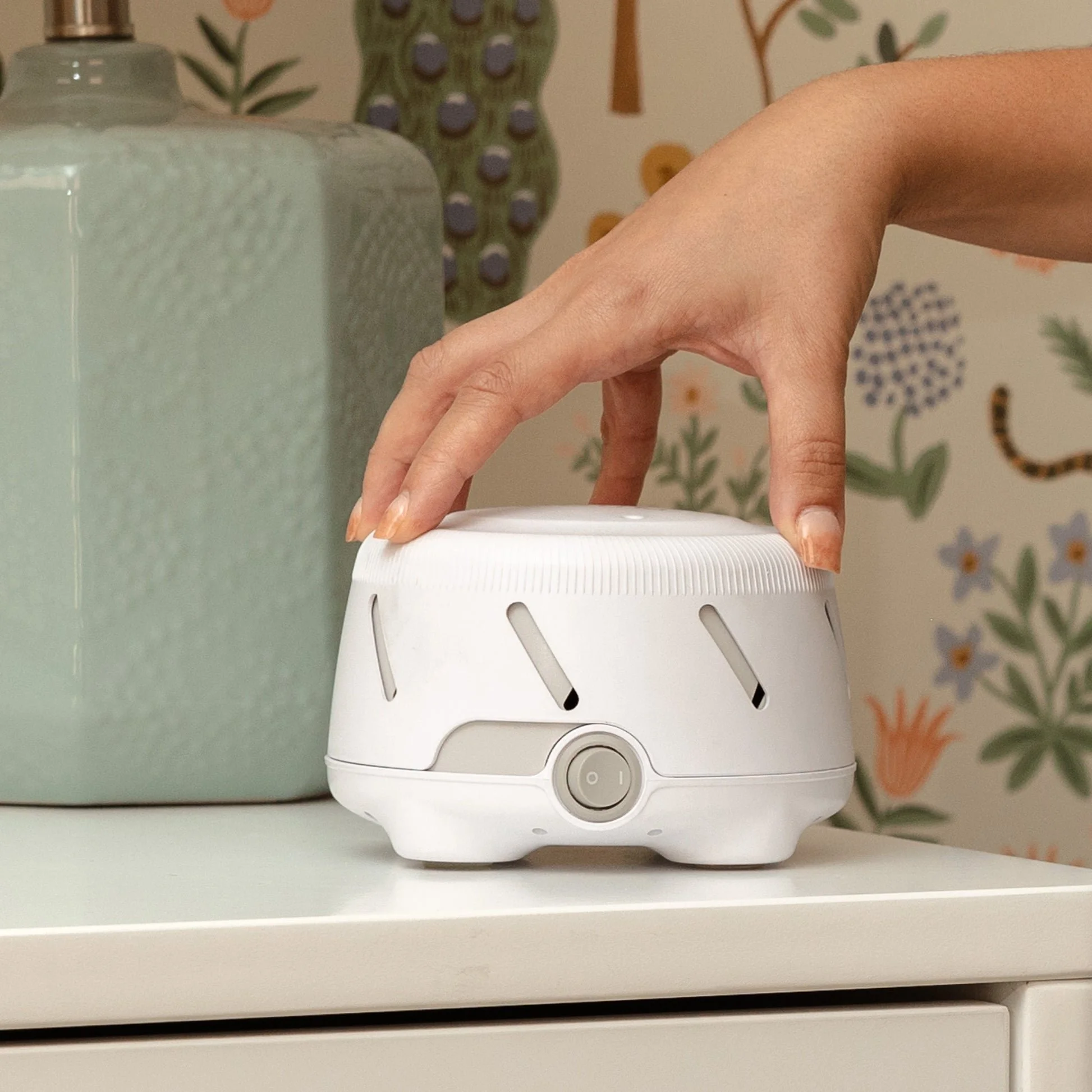
The very first thing I did was order a sound machine—a Yogasleep Dohm. It’s been around since 1962 and claims to be the original white noise machine, using real fan-based sound instead of recordings. If you want to check it out for yourself, click this link.
From the very first night, I was sold.
It blocks out apartment noise, street traffic, and all the little sounds that jolt you awake when you’re sleeping lightly. I honestly don’t think I’d want to sleep without it now.
Experiments (and Frustrations)
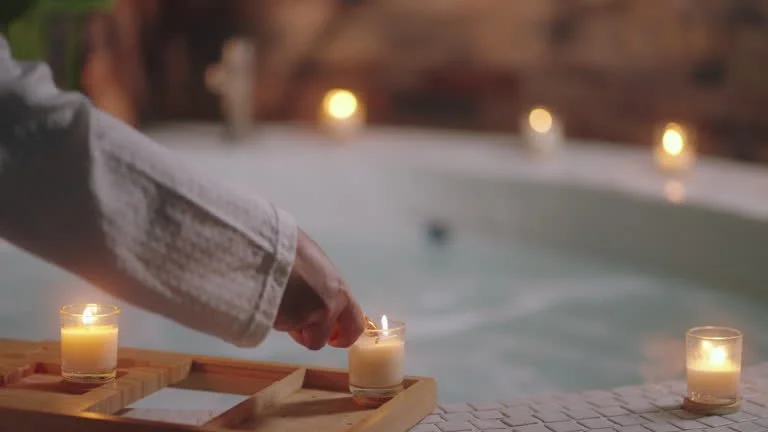
One night, I tried no medication at all. I took a long hot bath—about 30 minutes—with calm music and zero screen time. It was relaxing… but sleep didn’t come easily. I fell asleep late, woke multiple times, and woke up early. It felt incomplete and frustrating, even while knowing that change takes time.
The next night, I dimmed the lights, turned on the sound machine, and read a chapter of a book. I took a melatonin and two Tylenol PM—no more than that. I did get drowsy while reading, but once the lights went out, I immediately wanted to reach for my phone. Breaking the screen-time habit is clearly going to be its own battle.
What I’ve Already Ruled Out
Some boxes are already checked. I’ve been getting plenty of sunlight lately—preparing for a major storm and running from store to store. I’m not drinking alcohol. I don’t nap.
What I haven’t reintroduced yet is exercise. It’s cold. Really cold. But today, I plan to use the vibration plate and walking pad and get some movement back into my day—while we still have electricity.
No Shame, Just Persistence
There are so many options to try—and this week, I’ve tried a lot of them. What I’m learning is this: change doesn’t just happen. It’s rarely accidental. It’s something we fight for, gently but consistently, every single day.
Sleep is a beast I haven’t conquered yet. But I’m not giving up.
Sleep is deeply personal. Comparing your rest to someone else’s—your partner, your child, your family—is rarely helpful. We all have different needs and pressures. The real work is finding what works for you.
No shame. No judgment.
For me, the goal is consistency, peace, and learning how to live gently in the world—awake and asleep alike.

Without Reservation
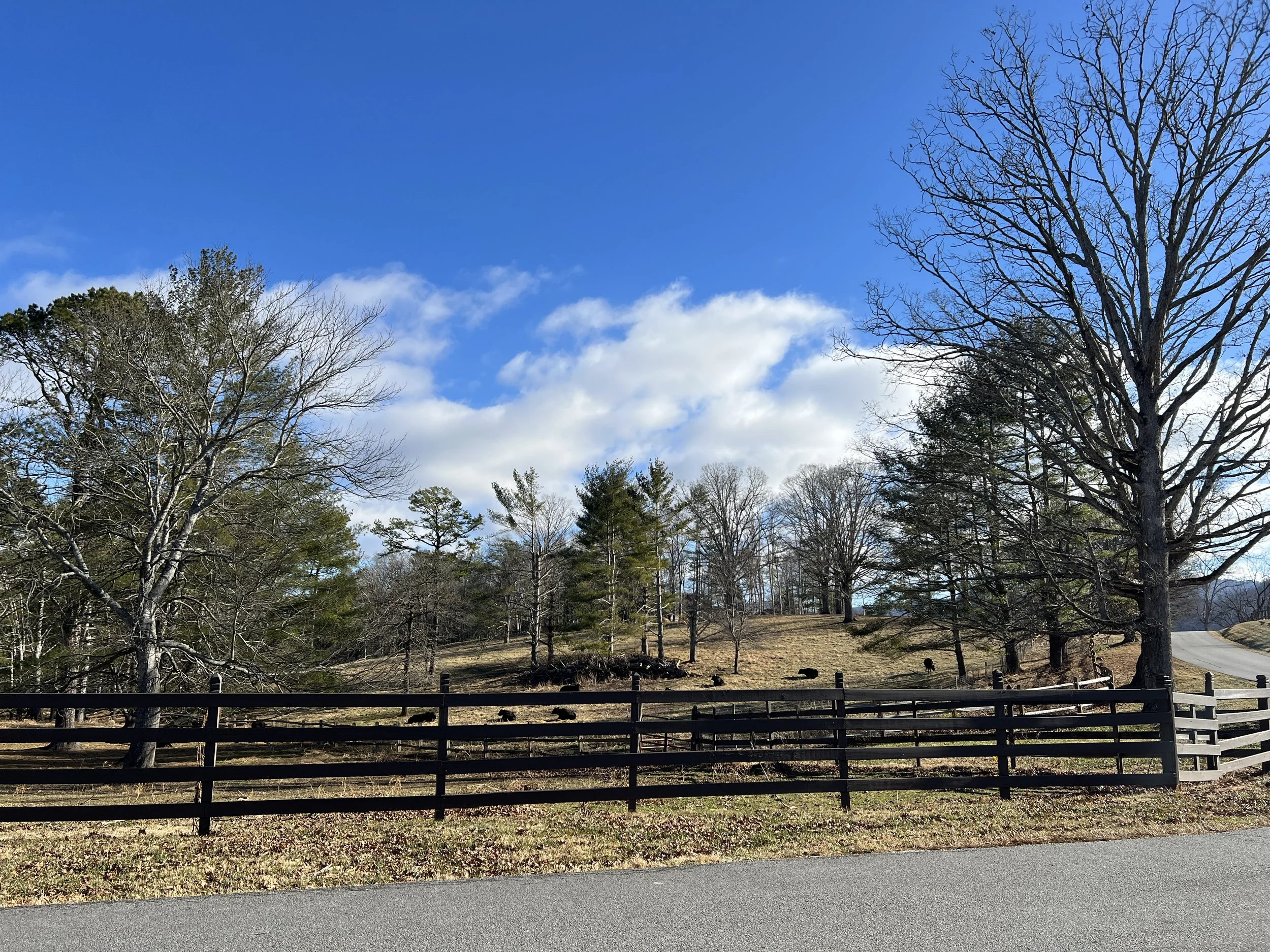
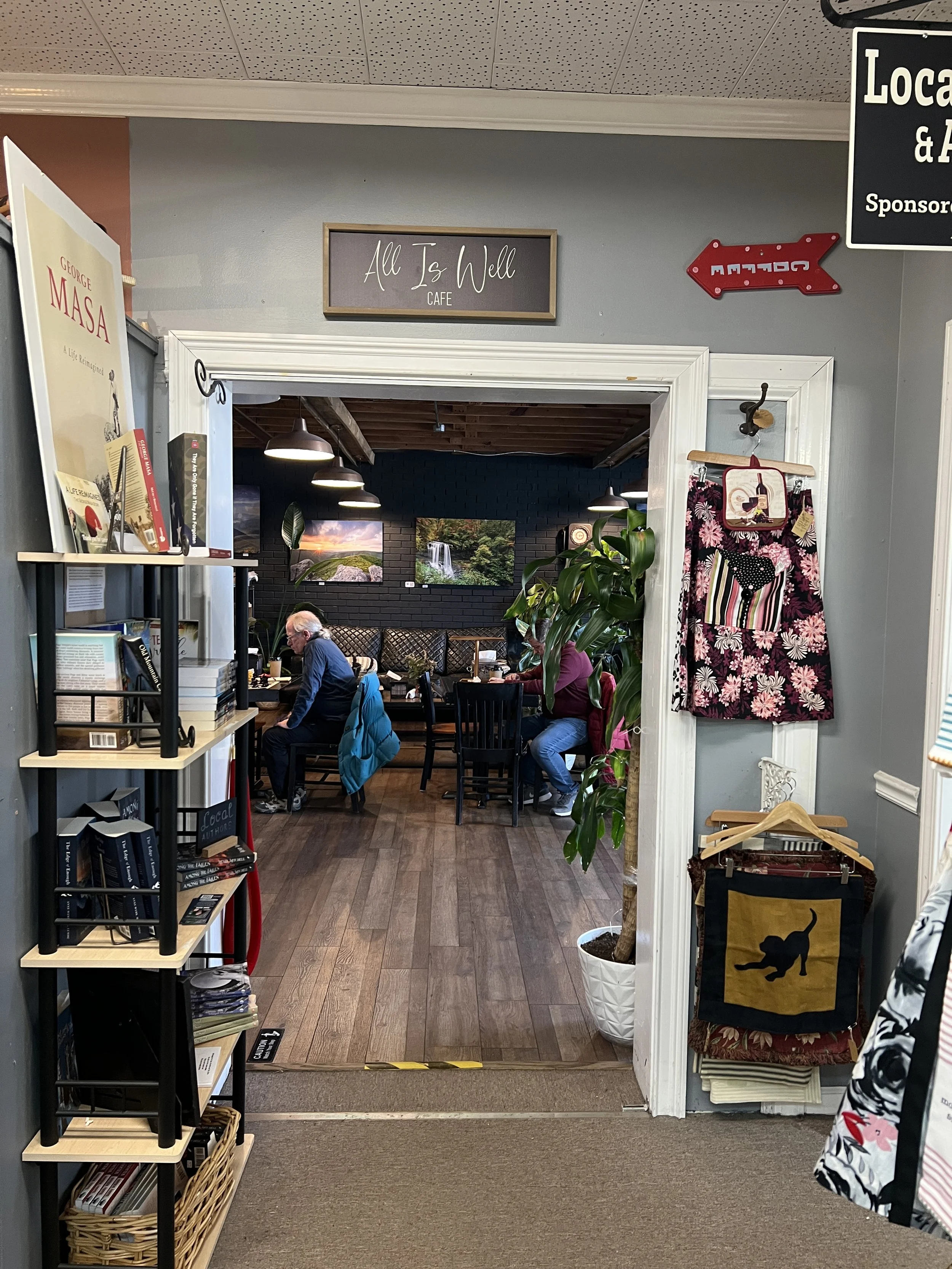
This week has been full of the ordinary, necessary work of moving into a new city and settling into an empty apartment—the kind of week made up of errands, firsts, and small discoveries. I found grocery stores I actually enjoy. I located the car dealership and got my oil changed. I wandered into a few antique shops and even stopped to take pictures along the way—small proof that progress was happening, even if it felt quiet.
Sometimes when you’re really stretching, it can feel safer to hunker down. To hide in your own little world while you wait for the storm to pass. But I’m beginning to embrace the idea that maybe life is the storm. So instead of hibernating, I turned toward one simple task this week.
One goal anchored the week: introduce myself to my neighbors with a small gift.
I grew up in the 80s, when big was the point. Big hair. Big shoulder pads. Big gestures. If you were going to do something, you did it all the way. I still feel that pull—to go over the top, to make it personal, to make it memorable. Dialing things down can feel boring. Almost like quitting.
But this is a new era for me, and I’m learning to think differently. Simple. Inexpensive. Easy.
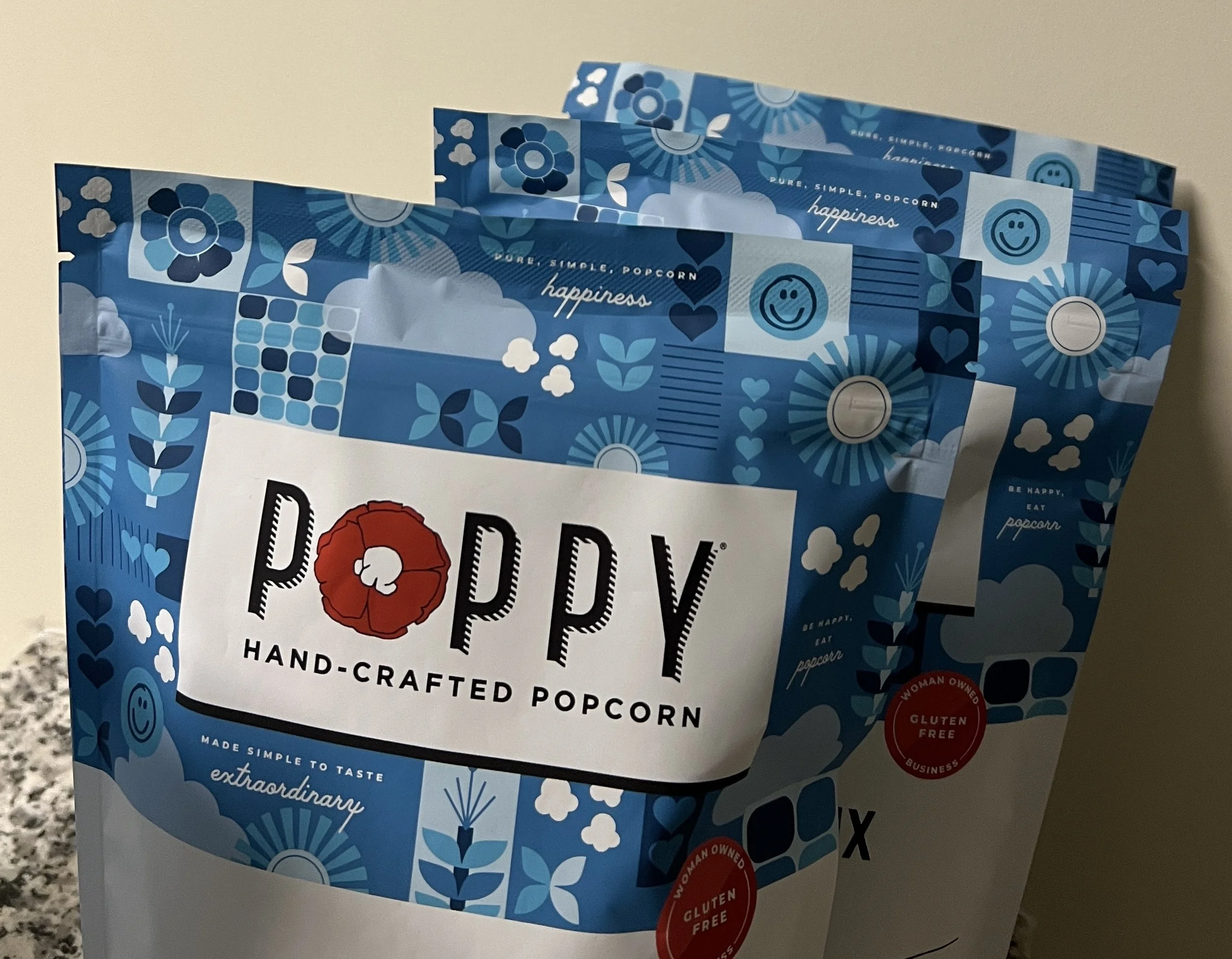
So I found a local specialty popcorn called Poppy, Handcrafted Popcorn—cheese, caramel, and buttered popcorn all in one bag. It sounded good to me. I bought a few bags and headed home.
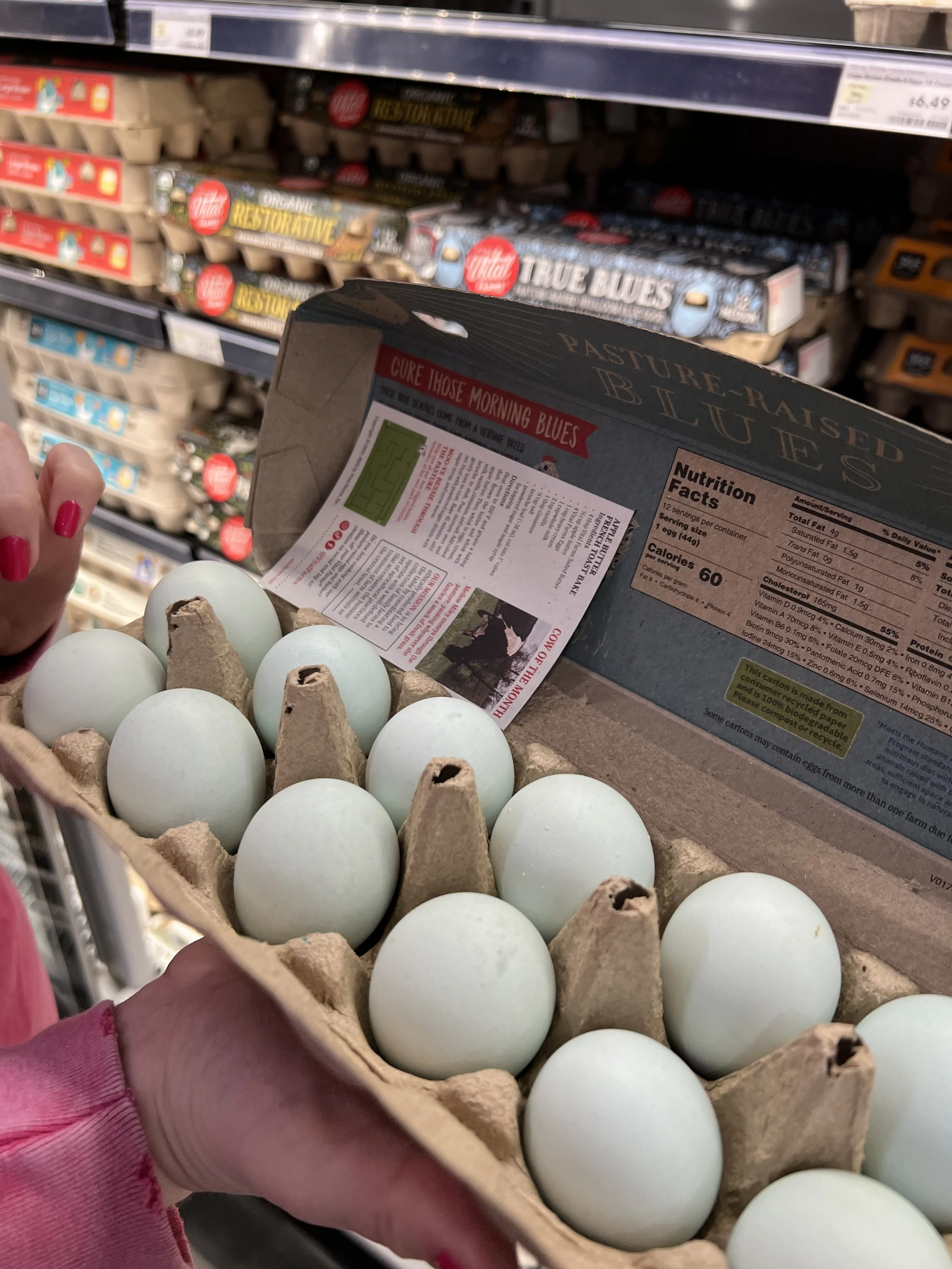
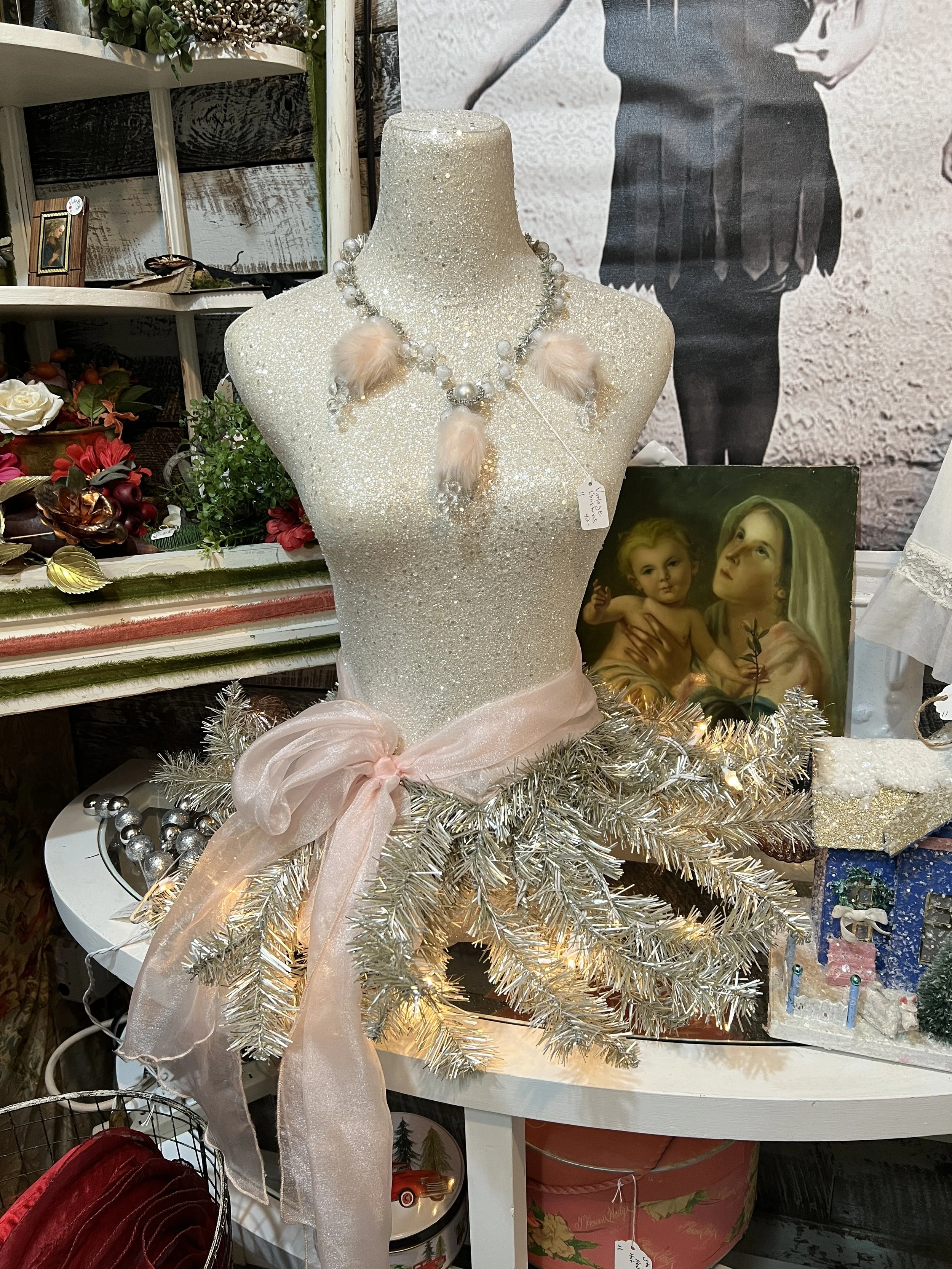
As I walked, my mind raced. Would they receive my small gift? Would they be standoffish? Do I look presentable enough in the only clothes I have unpacked? I felt nervous, so I tried to focus on the task at hand.
I stopped first at the leasing office and dropped off popcorn for the staff, thanking them for helping us get settled. They seemed genuinely surprised—and grateful. Our leasing agent, Nancy, even asked if she could hug me. I wasn’t expecting that.
Next, I gave a bag to the maintenance man. I don’t think he’s thanked very often. He didn’t quite know how to respond—but he had spent an entire day coming in and out of my apartment trying to get the hot water tank working properly. It mattered to me to say thank you. I’m genuinely grateful for his work.
Then I went upstairs to meet my neighbor. She invited me in and shared that she’s actually moving out soon. Still, she was kind and warm, offering help if I needed anything while settling in. The other neighbors have been harder to catch, but I’m still working on it.
It took a day or two, but I finally met the neighbors across from my apartment. They are busy, loud, and come with a pair of toe-headed, constantly chirping little humans who seem to run on pure noise and motion. The dad introduced himself as Adam, which works out well because he’s officially the first man-neighbor I’ve met here.
These small encounters taught me something important: people are good, and people respond to kindness. There isn’t nearly enough of it in the world.
As I move forward this year, I want to be more open—to truly see people, to connect, to share what I have, and to receive from others as well.
In my years as a pastor, inclusion and kindness were part of the job. Inviting, welcoming, loving others as Jesus would—those things were expected. But when I wasn’t working, it was easy to retreat. To hibernate.
I didn’t truly see people outside of church spaces. Often, I didn’t want to. Most days, the job felt like it took all the kindness I had.
That’s no way to live.
I came across this quote by Jim Morrison, and it stopped me in my tracks:
“The most important kind of freedom is to be what you really are. You trade in your reality for a role. You trade in your sense for an act. You give up your ability to feel, and in exchange, put on a mask. There can't be any large-scale revolution until there's a personal revolution, on an individual level. It's got to happen inside first.”
— Jim Morrison
This rings true for me. After a lifetime of wearing masks, I’m finally at a stage where I’m willing to explore who I really am—outside of roles and requirements. It is truly time for a personal revolution.
I’m committed now to living in a wholehearted way—seeing, connecting, and loving when I have no obligation and nothing to gain. If you look up the word wholehearted, it means being completely sincere, enthusiastic, and committed—giving your full heart without reservation.
That word—reserved—used to sound like a compliment to me. Refined. Sophisticated. Buttoned up. I aspired to be those things. But as I’ve grown older, I’ve realized that being buttoned up isn’t nearly as satisfying as being free.
Freedom looks like expressing emotion. Welcoming others fully. Loving in ways that don’t cost you anything—but somehow give you everything.
Freedom is also knowing when to close up shop and shut the door for the day. I think we need both.
For me, freedom right now is unlocking the ability to move beyond fear and assumed perceptions of the people around me. Freedom is found in the reach, the touch, and the courage to step through an open door.

Moving Forward
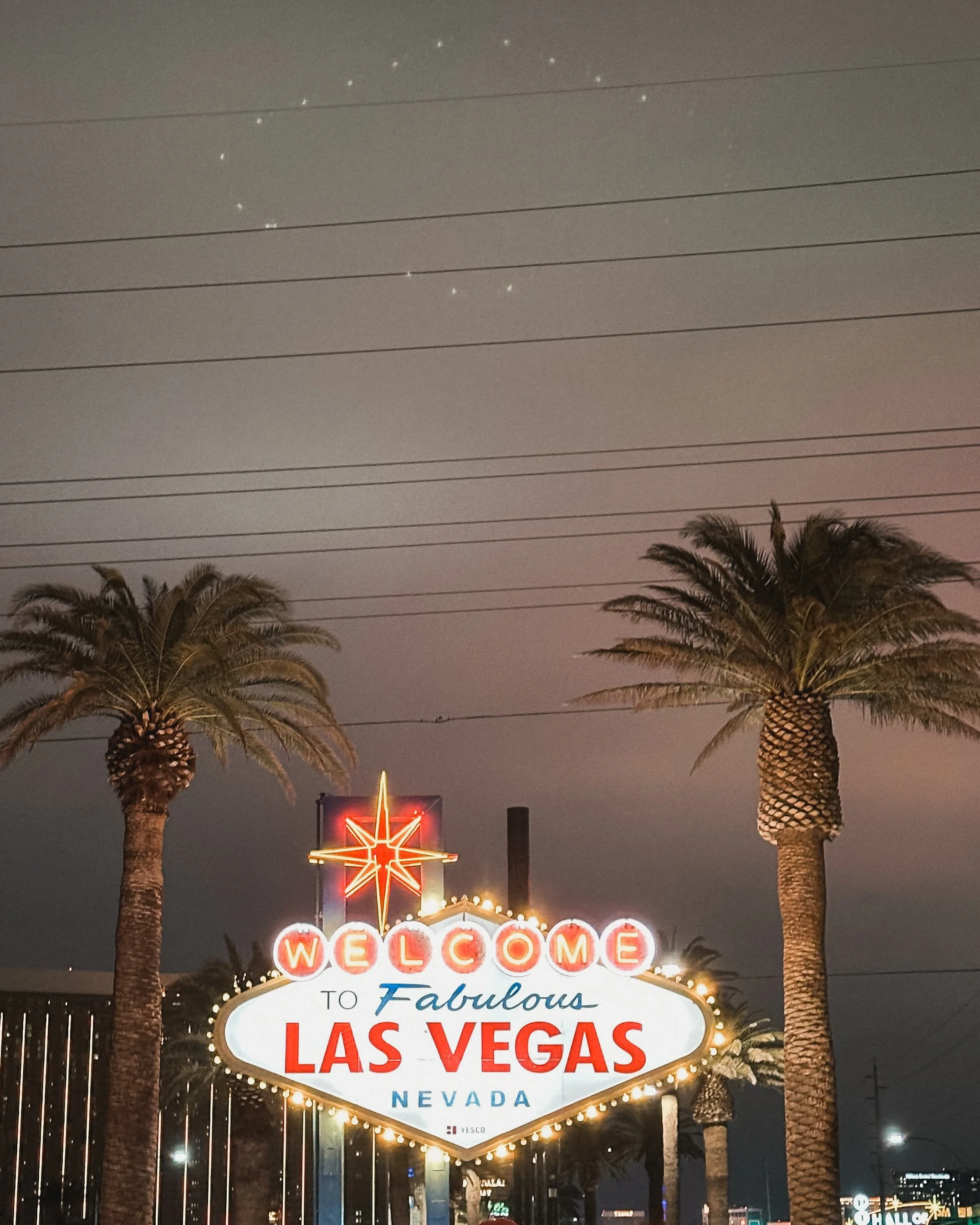
All week, my daughter and I have been driving across the country—from the Lake Tahoe area in Nevada, all through the southern states, and finally to the East Coast—until we arrived at our new home in North Carolina. The entire drive, my mind kept circling one thing: this new resolution, this honest life, this decision to live differently… whatever you want to call it.
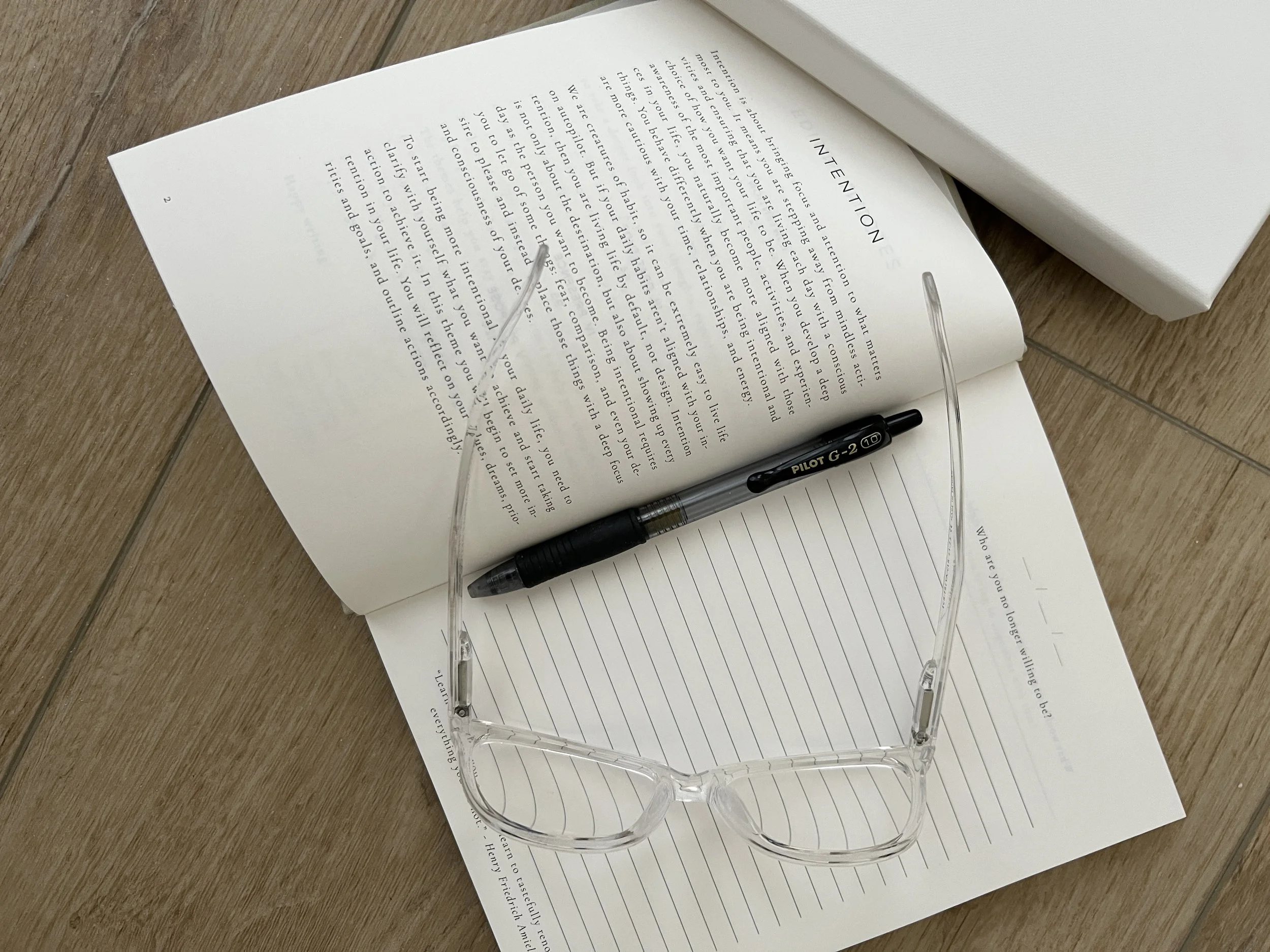
My challenge this week was to journal every day. Journaling is supposed to be really good for you. It helps you share things in confidence, it's sometimes a path to self discovery, and it is considered an act of self care. There have been studies, as well as testimonials from highly successful people that journaling makes a real difference in mental health and well being. General guidelines to begin are as follows:
Choose your tool — either digital (phone or computer) or physical (a notebook and pen).
Find some quiet time and space where you won’t be interrupted.
Set realistic, measurable expectations — five minutes, one page, or a few paragraphs. Consistency matters more than volume.
Write whatever is on your mind — reflections, gratitude, goals, prayers, questions… let it flow.
Be honest and embrace imperfections — keep it private, and review only when it feels helpful.
Despite knowing that journaling will be good for me, I frequently don’t make time for it. Either I'm not intentional enough, or I just think it's no big deal to skip quiet time in the morning, and I move on with my day. But inevitably, I find myself feeling scattered, unfocused, and like I'm not making any progress in my goals or desires. I thought I would be able to manage the challenge of journaling everyday this week during my cross-country move— however, I found it to be especially difficult this week.
I just started using the app Notion this year, so I chose to go with a digital format. I noticed that when I sat down to write my thoughts, intentions, and desires, I felt solid—like I was setting something in motion. But as the day progressed, I felt more and more lost. Come evening, I found myself feeling discouraged and like I was back at square one.
Journaling as a means of therapy can be quite challenging all by itself, but adding travel on top of that made it more difficult than I was prepared for. Even when you’re with the person you love most in the world, travel is exhausting. You are on the move, eating unhealthy food, not getting enough sleep, out of your normal routine…
I recently learned something about myself that I would like to work on- I constantly try to assume what people around me are thinking and feeling, and my assumptions are usually negative (I think it's a result of years of trauma and emotional abuse - assuming what someone was thinking or feeling offered me protection somehow, so I could prepare myself for the worst…) After I assume the worst, I make myself smaller, in an attempt to not be a burden. In general, I struggle to know what I want and to make decisions for myself. So I've relied on what I think everyone else wants to dictate decisions. When I assume what people are thinking, feeling, wanting… and my assumptions are incorrect, this creates problems when there were none. I am beginning to realize that this is textbook codepency and people pleasing.
So every day this week through journaling, I tried to set intentions for how I wanted the day to go. And every day, I felt like a failure because I kept getting stuck in my head.
For example, my daughter and I were at the Hoover Dam. She took a quick and cute video of me. She handed me the iPhone and asked me to do the same for her, and instead of simply capturing a quick clip for her, I got in my head about- Am I doing it right? Is this the right angle? Is it the right size? Is it the right distance? It’s gonna suck. I’m so bad at this. Until she was so frustrated with me just standing there frozen, that she was ready to just give up and go get in the car and leave. And I didn’t even take a video of her! So the whole rest of the day, the whole trip actually, I felt terrible about it. I still feel terrible about it. I wish I could take it back. I wish I could change it. I wish I would never do anything so stupid again, but that’s the way it’s been lately.
Can a person truly change? If so, how does change really happen?
I am discovering, not with one perfect decision, but with dry, awkward, stubborn effort. Progress is rarely graceful. It’s usually messy and repetitive and full of trying again.



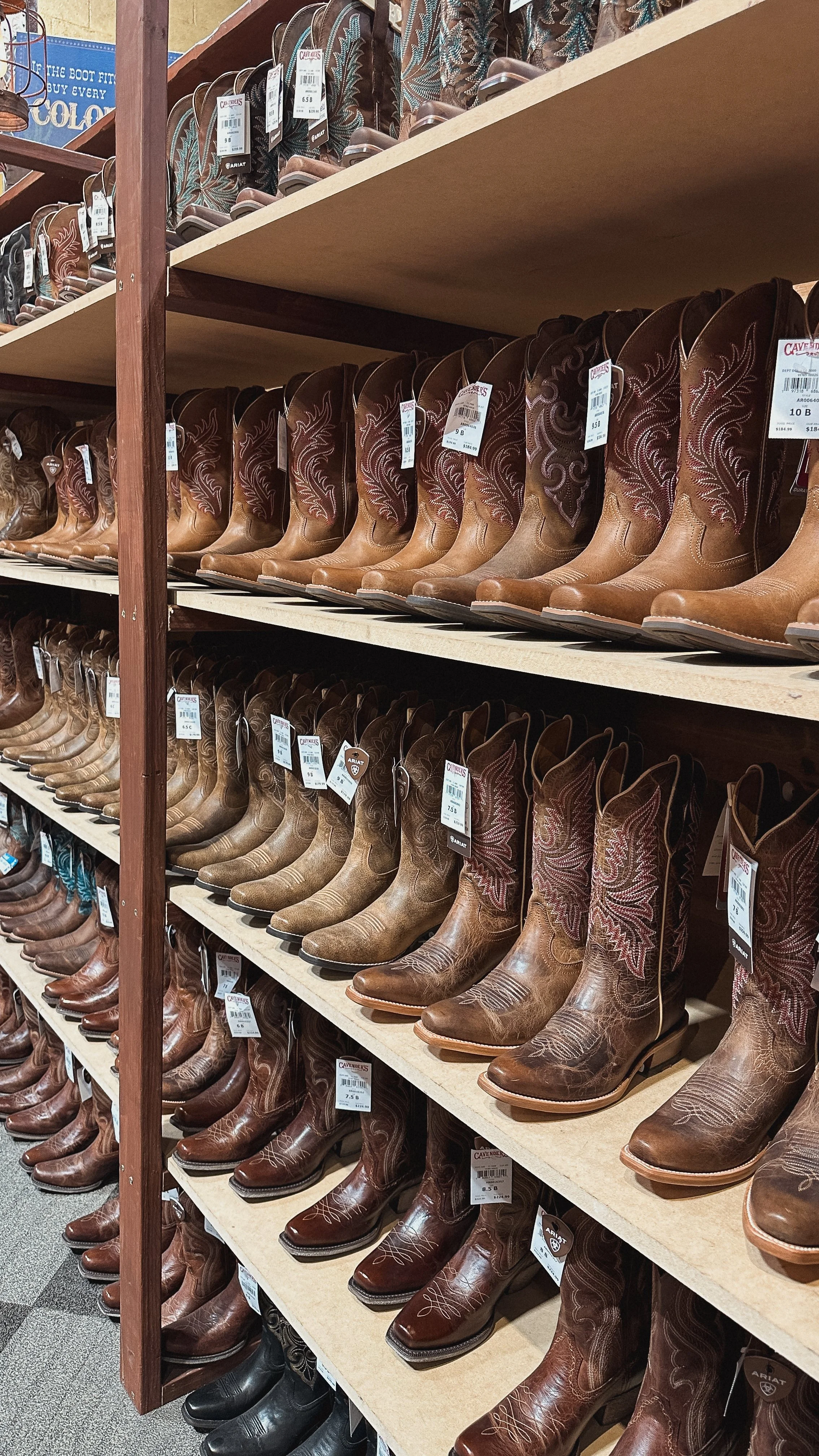
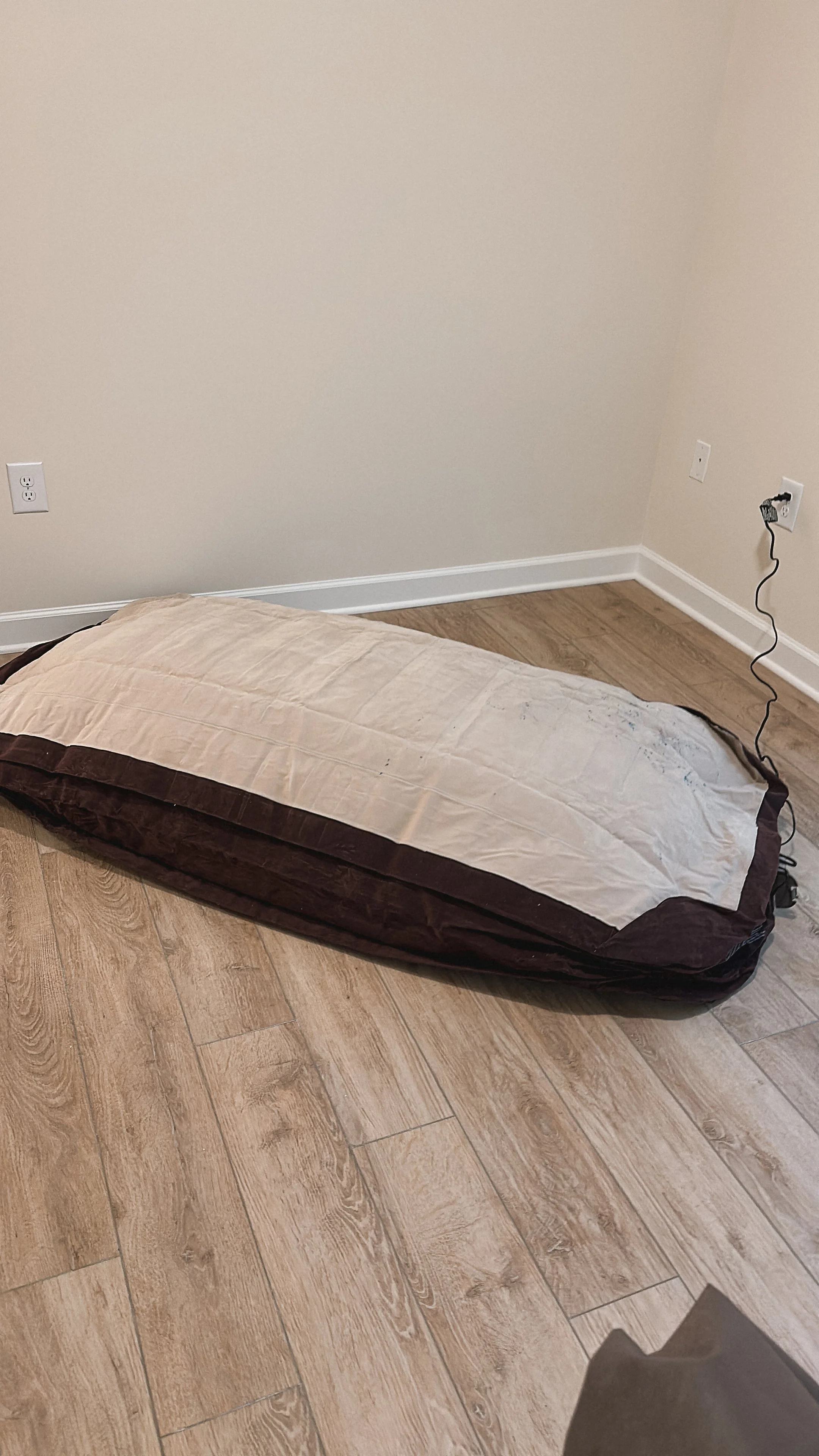
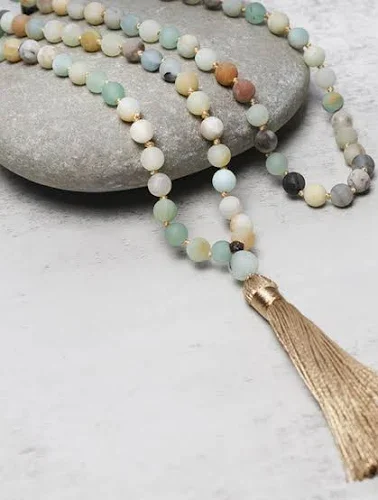
Just as we arrived in our new town, it began to sprinkle. We cleaned the floors and blew up the air mattresses so we could settle in for our first night. Sometime after midnight, the rain started for real—and it hasn’t stopped since. A small package was delivered the day we arrived. Inside were two little boxes of mala beads my daughter had ordered. (Mala beads are a simple, tangible way to practice gratitude. You hold them and offer a prayer or a moment of thanks with each of the 108 beads.) So here I am, sitting on a blow-up mattress, rain tapping the windows, beads in my hands. Expressing, and deeply feeling a sense of gratitude - in spite of failures, in the middle of the struggle for change.
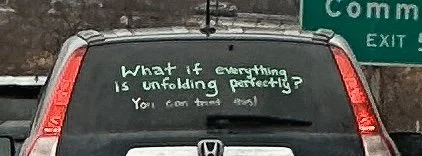
I’ve always been a spiritual person. I read weather, timing and circumstances as God’s language to me. I don’t remember my dreams. God doesn’t speak to me out loud. So I pay attention to what unfolds around me. When we pulled into our new town, we were behind a vehicle with a sentiment written on the back window that read, "What if everything is unfolding perfectly?” What if? What if?
And when the rain came last night, I felt its meaning immediately.
Rain washes away what’s old. It brings freshness and new life. It cleanses what no longer serves. It signals abundance, growth, and renewal. It marks a season of transition. Sometimes God speaks softly. Sometimes He speaks through a storm. Today, I’m listening.
As I step into this new season, I’m choosing a different way to measure myself. I will not obsess over where I fail; I will celebrate that I try. I will not fear the unfamiliar; I will welcome it. I will stop trying to read others and just fully be myself. And even though this week wasn’t all I hoped it would be, I can feel something shifting. There is hope in the air. I will keep journaling, and change is happening.

It's time.
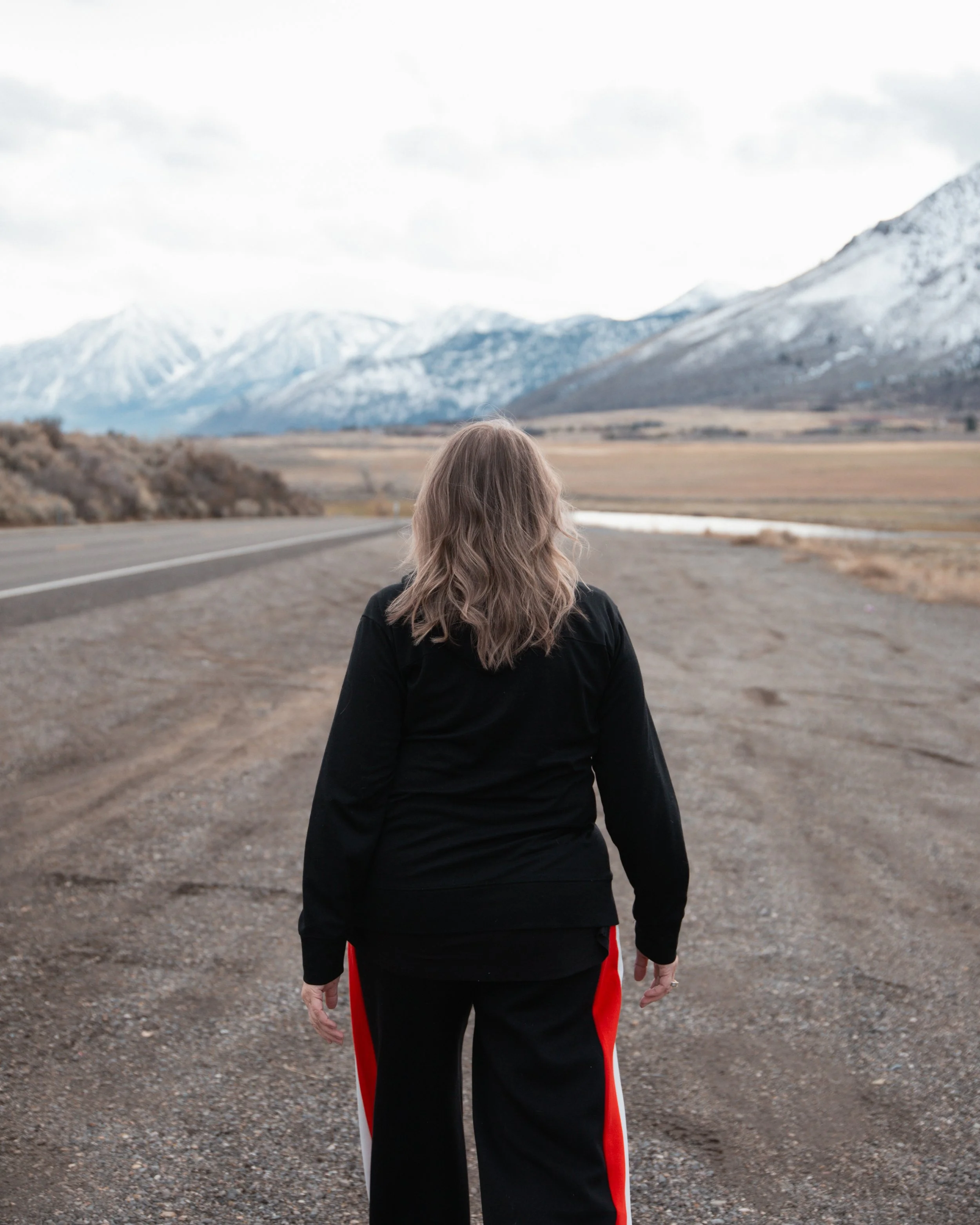
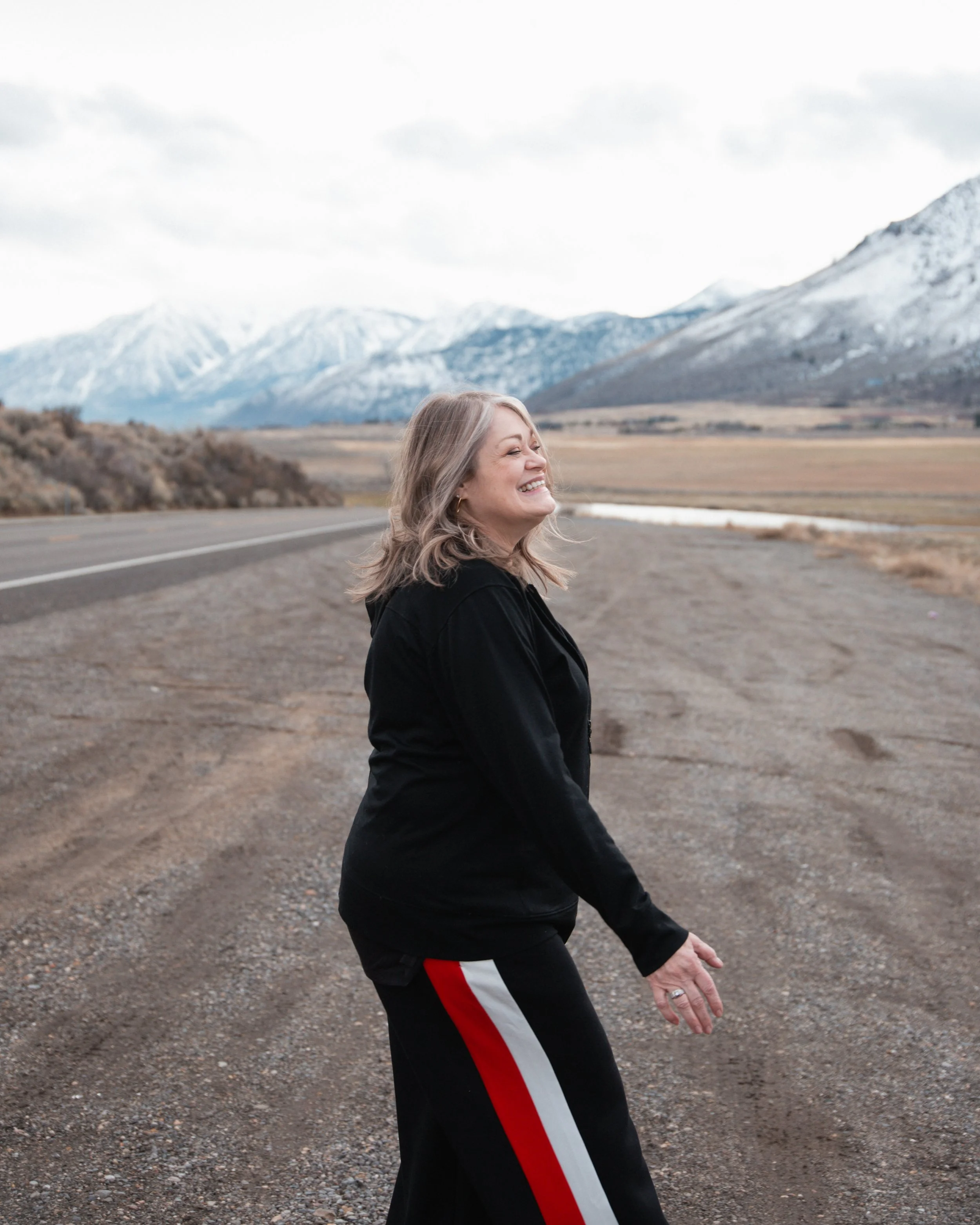
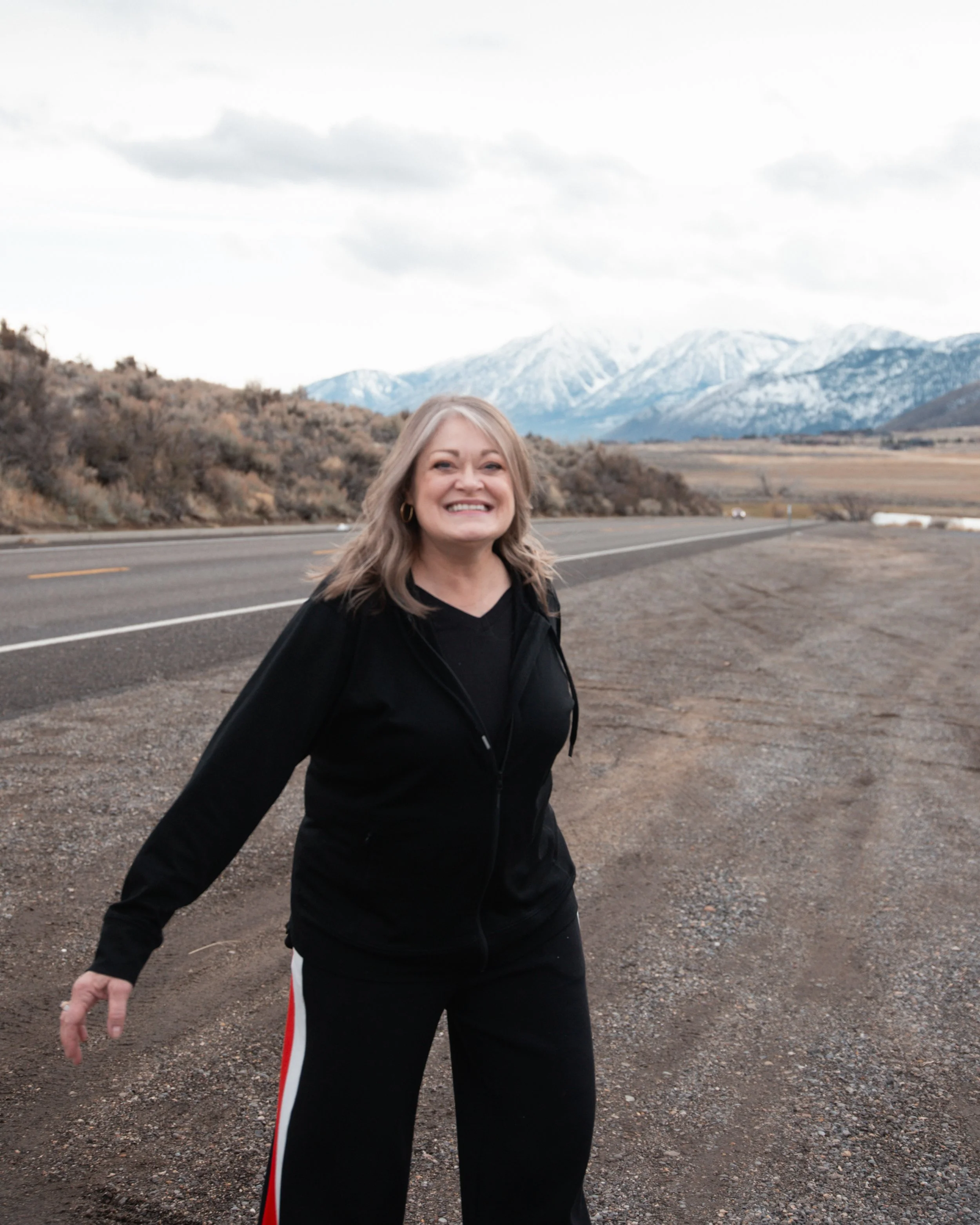
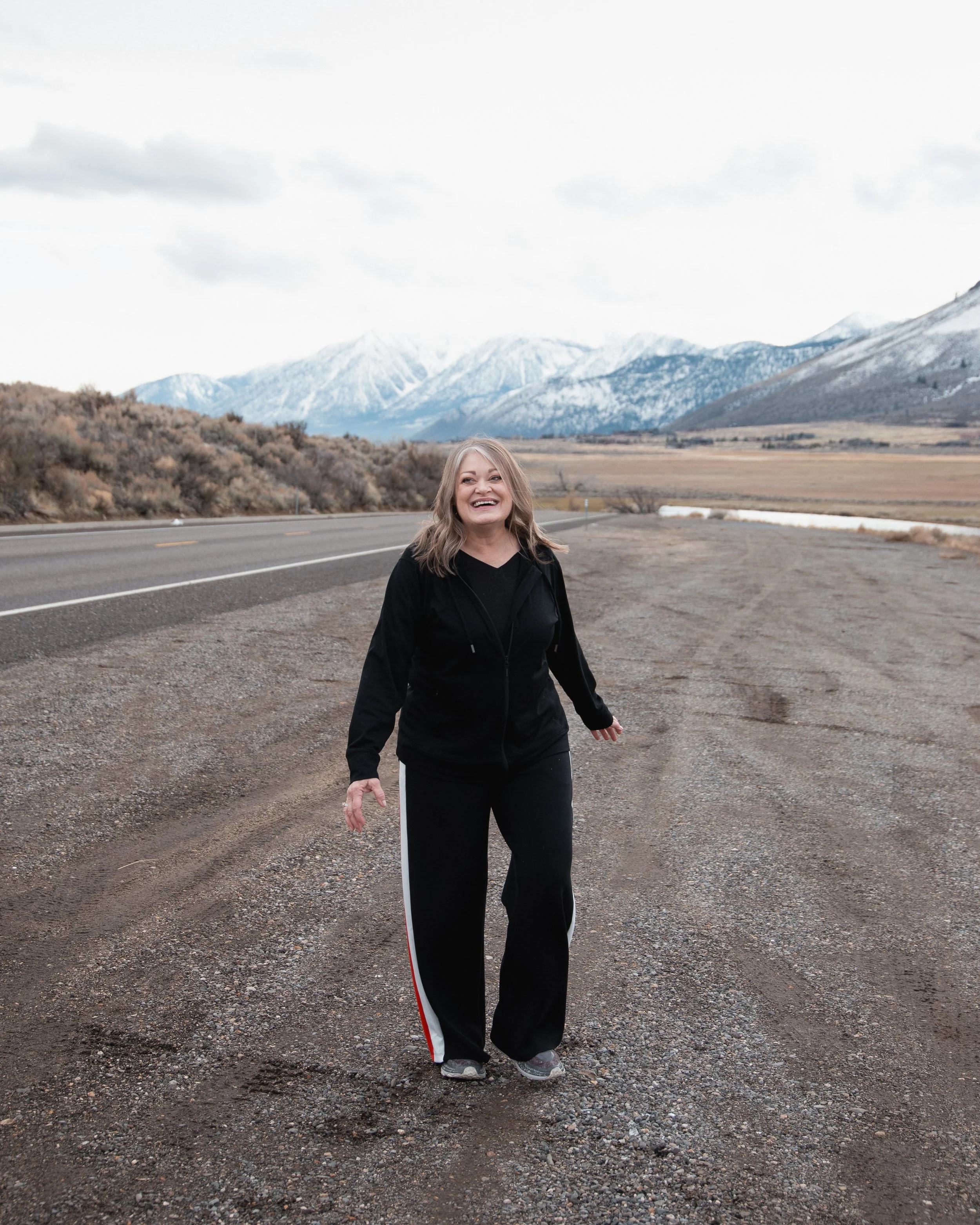
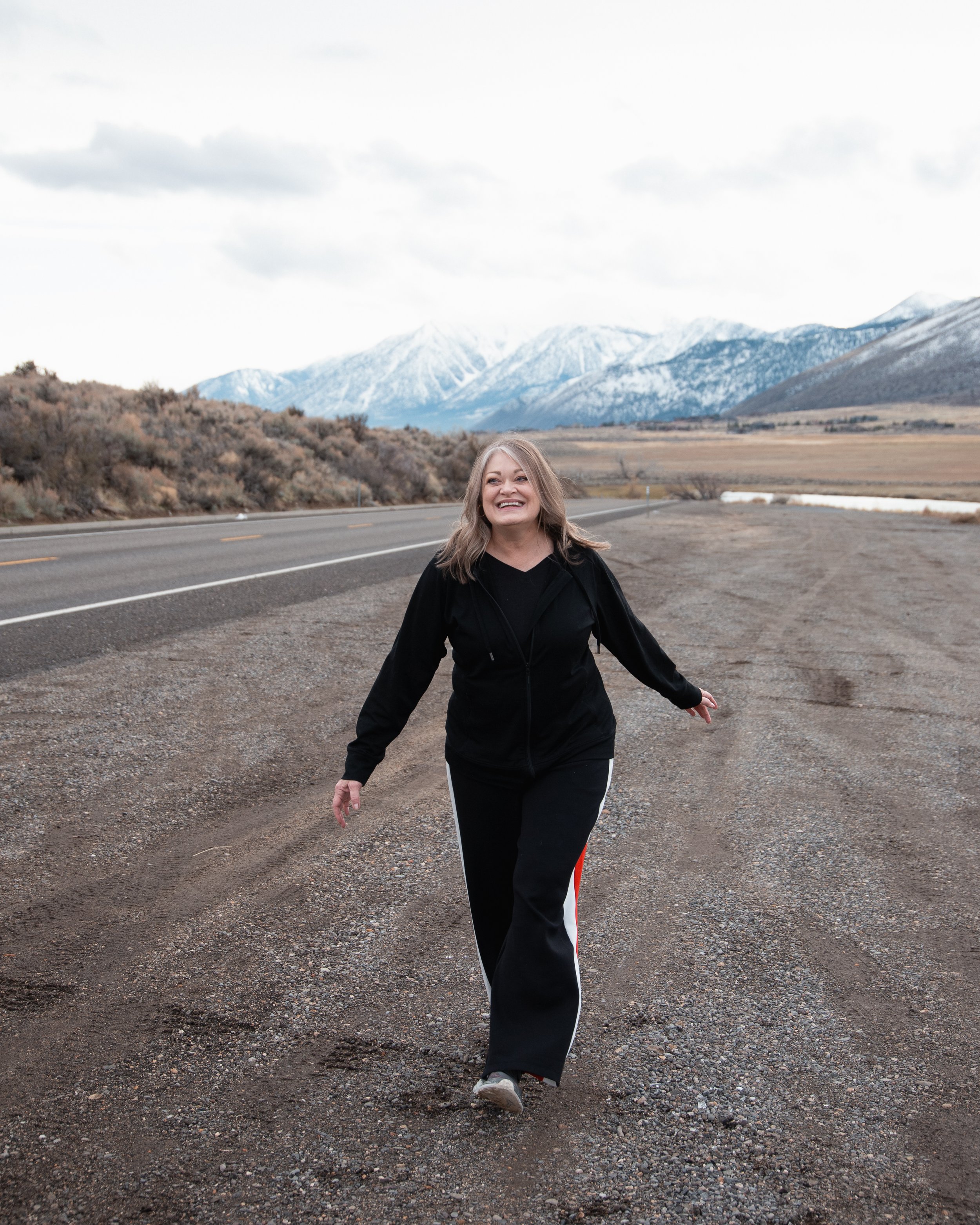
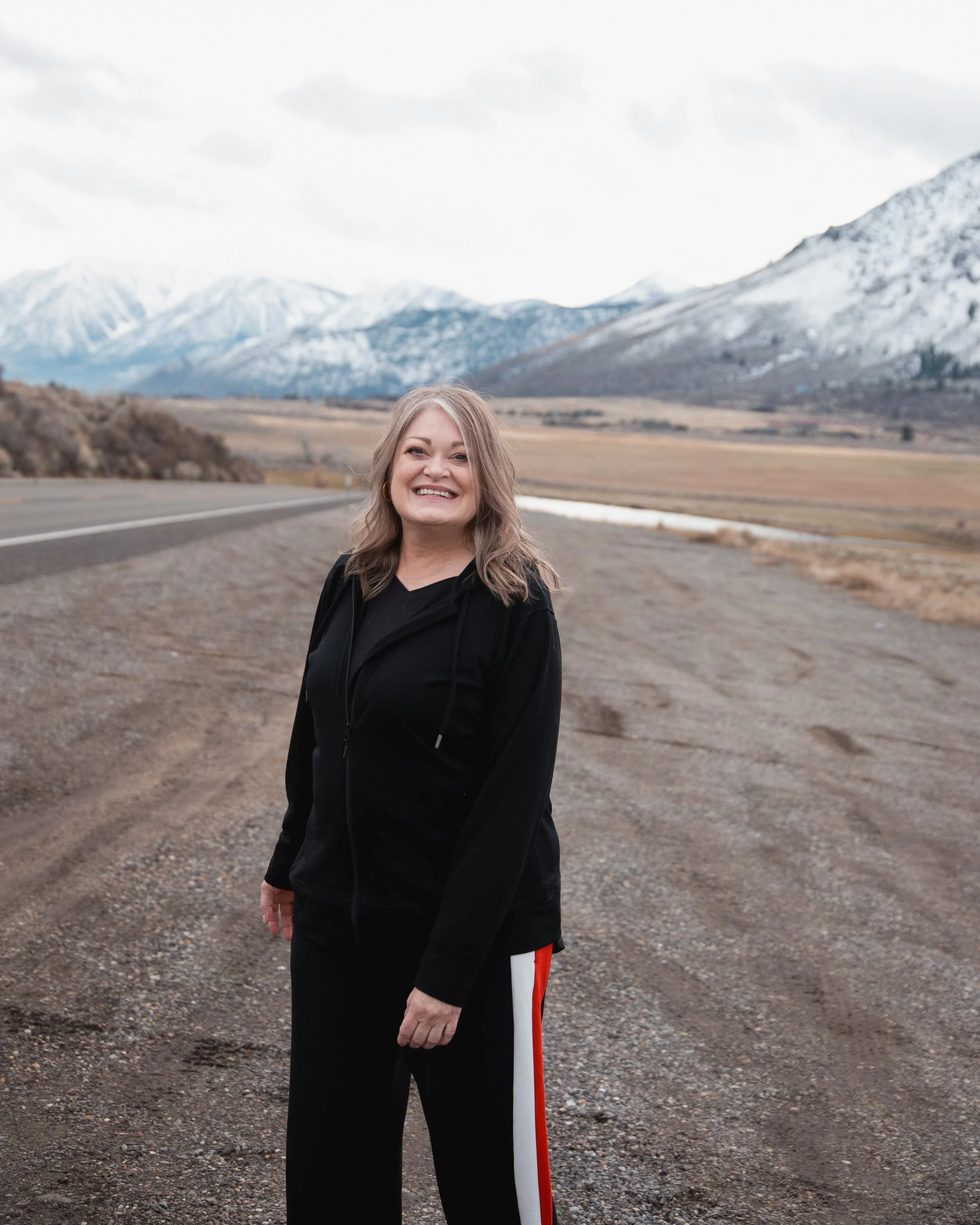
Everyone talks about fresh starts, but for me this one feels heavier—more real. This isn’t just a turn of the calendar. It feels like the beginning of another life, or maybe the first honest one.
Lately, I keep circling the same questions in my mind:
Can you actually shed parts of your story and begin again?
Can the past be hushed if the present is loud enough?
What do you do with the pieces of your life you wish you could just throw away?
In December, I quit my job. The job that finally gave me some security after years of uncertainty. Walking away from that felt reckless and terrifying—and also necessary. Past the surface level issues, I didn’t fully understand why at first. I just knew I couldn’t stay. Do I feel prepared and ready for this? Nope. I feel like a raw, insecure, terrified mess.
Almost ten years have passed since my divorce. I minimize it in my head sometimes, like it shouldn’t still matter. People get divorced every day. But I was married for nearly 35 years. My whole world was wrapped around church, community, family—around us. The marriage was difficult and painful, and the ending was brutal. Infidelity. Public exposure. The quiet disappearance of people I thought would always be there.
When I look back, I see how much pretending I did. Pretending everything was fine. Pretending we were happy. Pretending I was okay. And then one afternoon, the whole thing collapsed.
Even after that, I kept pretending.
I was nearly broke. I lost my home. My children scattered. My life felt completely and literally undone. And still—I told myself I was fine. COVID made hiding easier. Staying home felt safe. Invisible. Acceptable. I didn’t have to explain my absence to anyone.
Then in 2023, something surprising happened. I was offered a pastoral role. I didn’t expect that door to open again, and I was grateful it did. I stepped back in carefully—polishing my words, caring for others, keeping my own heart tucked away. I stayed useful. I stayed small. I worked from the edges, where it felt safer to exist.
I’ve never liked introspection. I’ve spent my whole life running from it. And I think, even in this dream role, I was running again.
As 2025 came to an end, I couldn’t ignore the restlessness anymore. I had to ask myself some hard questions. Was I staying because I was grateful—or because I was afraid? Afraid of starting over. Afraid of being unseen. Afraid that nothing better was waiting for me.
That realization hurt. It felt like a lack of faith. A shrinking of hope. It felt like I was delusional.
Another question kept surfacing: Is life something you endure and adjust to—or can you actually choose it? Can you design it, instead of just surviving it?
So I started imagining. Not going back. Not fixing what was broken. But creating something new.
I made quiet lists, just for myself:
I want relationships that feel mutual.
I want purpose that doesn’t cost me my own soul.
I want joy that surprises me again.
I want to live without fear of being seen.
I want a home that feels like safety—for me and for my family.
I didn’t know how to get there. I just knew I couldn’t stay where I was.
Then my daughter came back from Europe and quickly found a job across the country. And suddenly the choice was right in front of me. Stay—safe, stuck, aching quietly. Or leave. Start over. Trust that God might meet me somewhere unfamiliar.
I chose to leave.
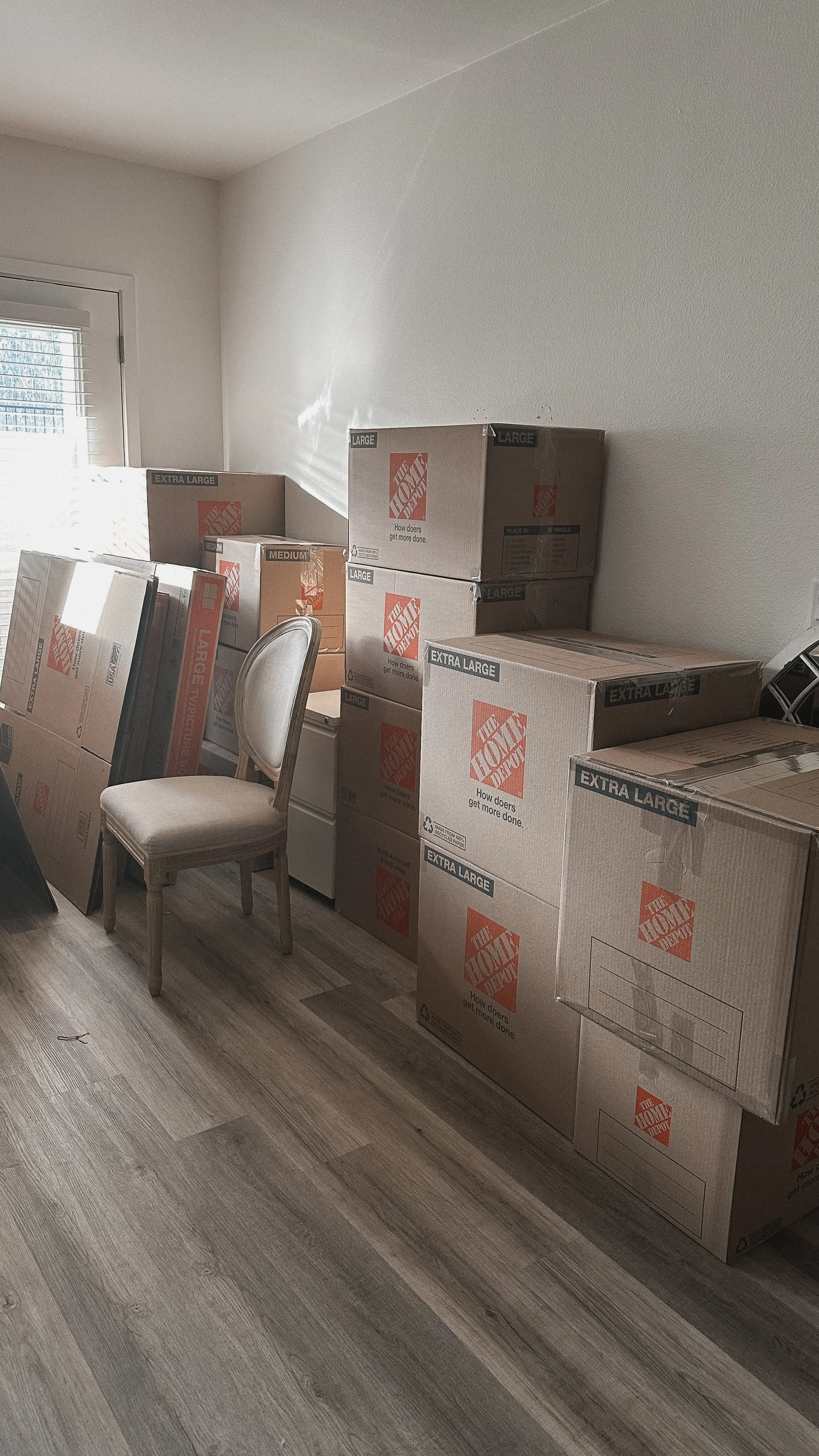
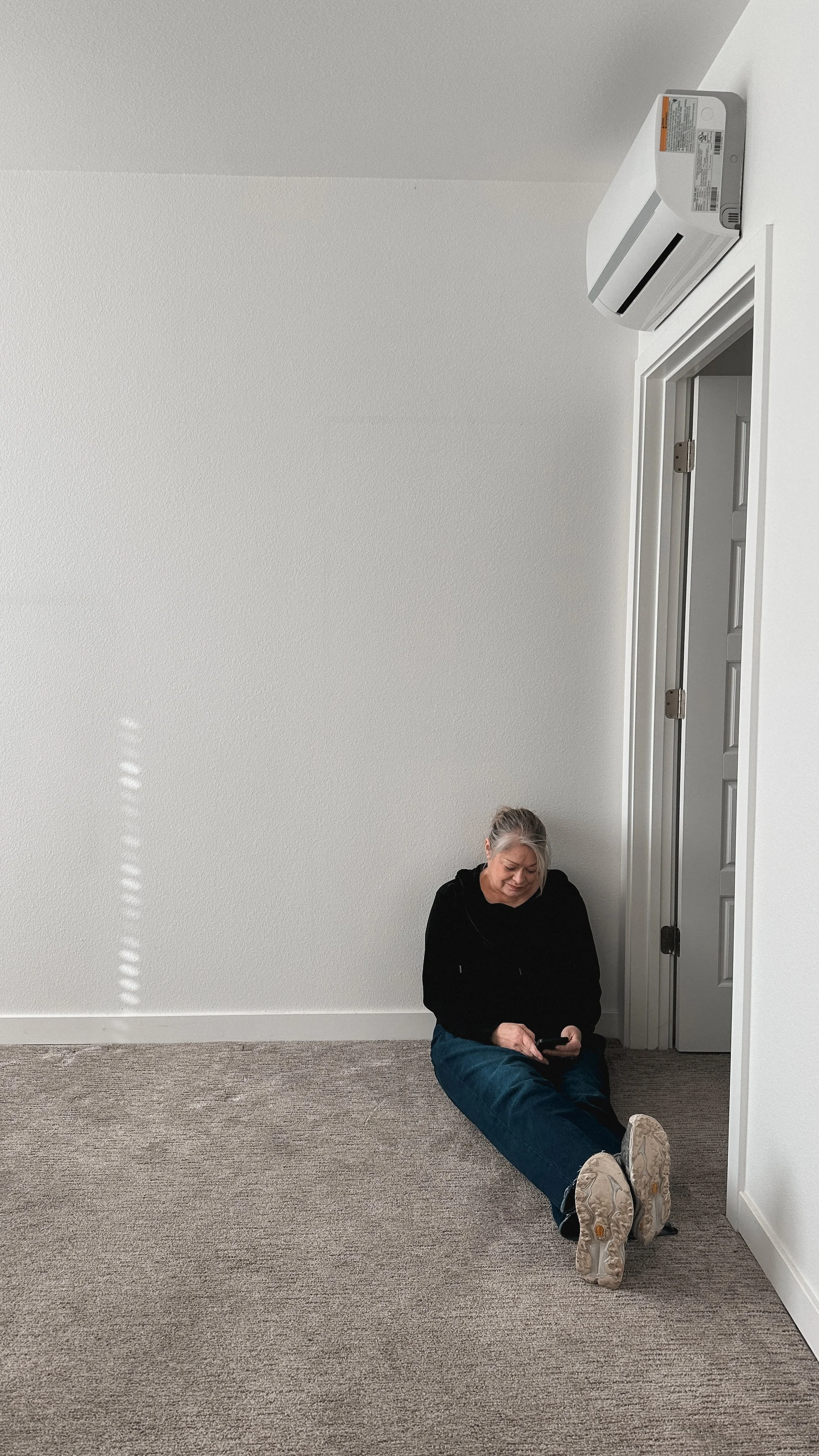
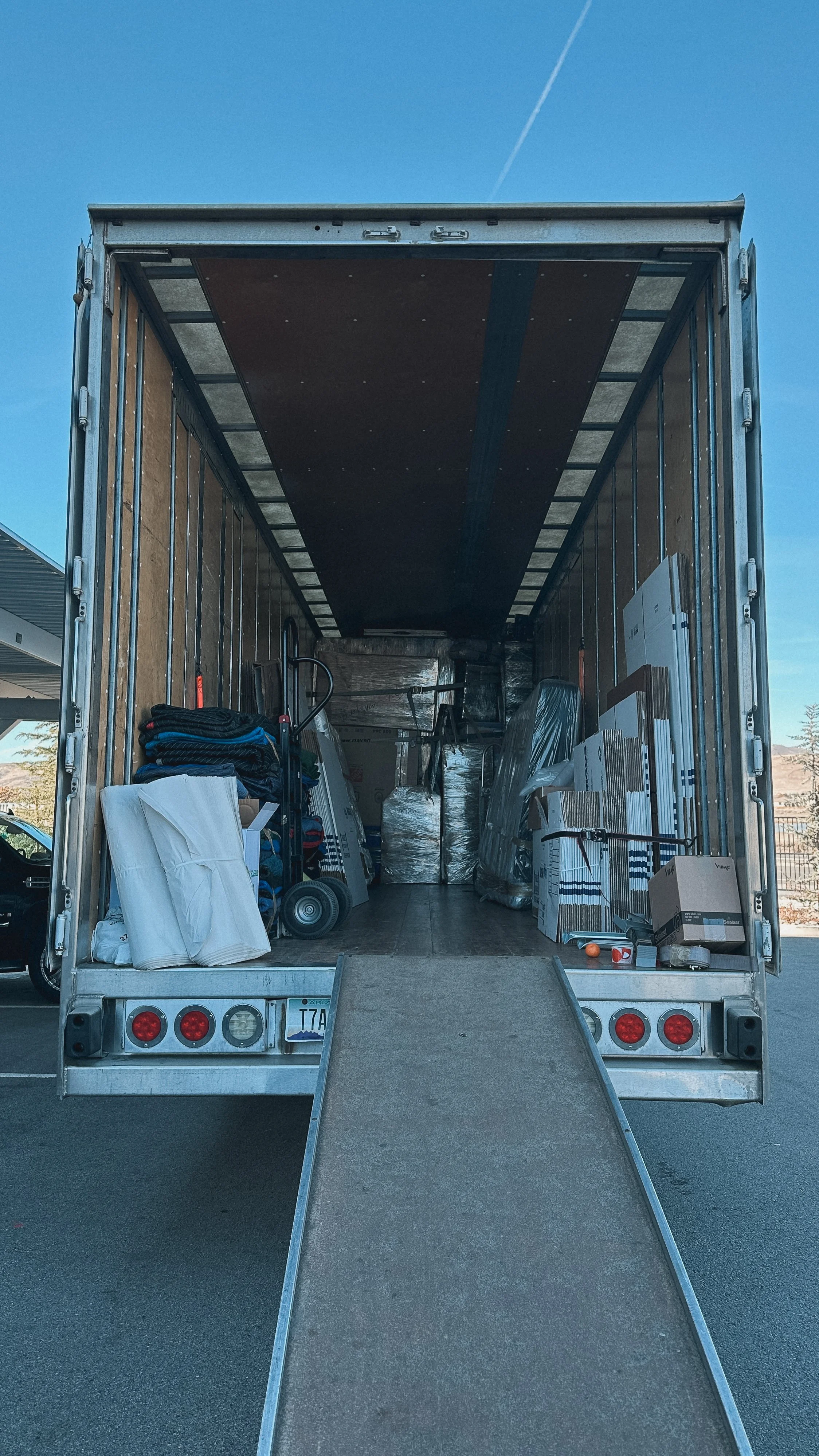
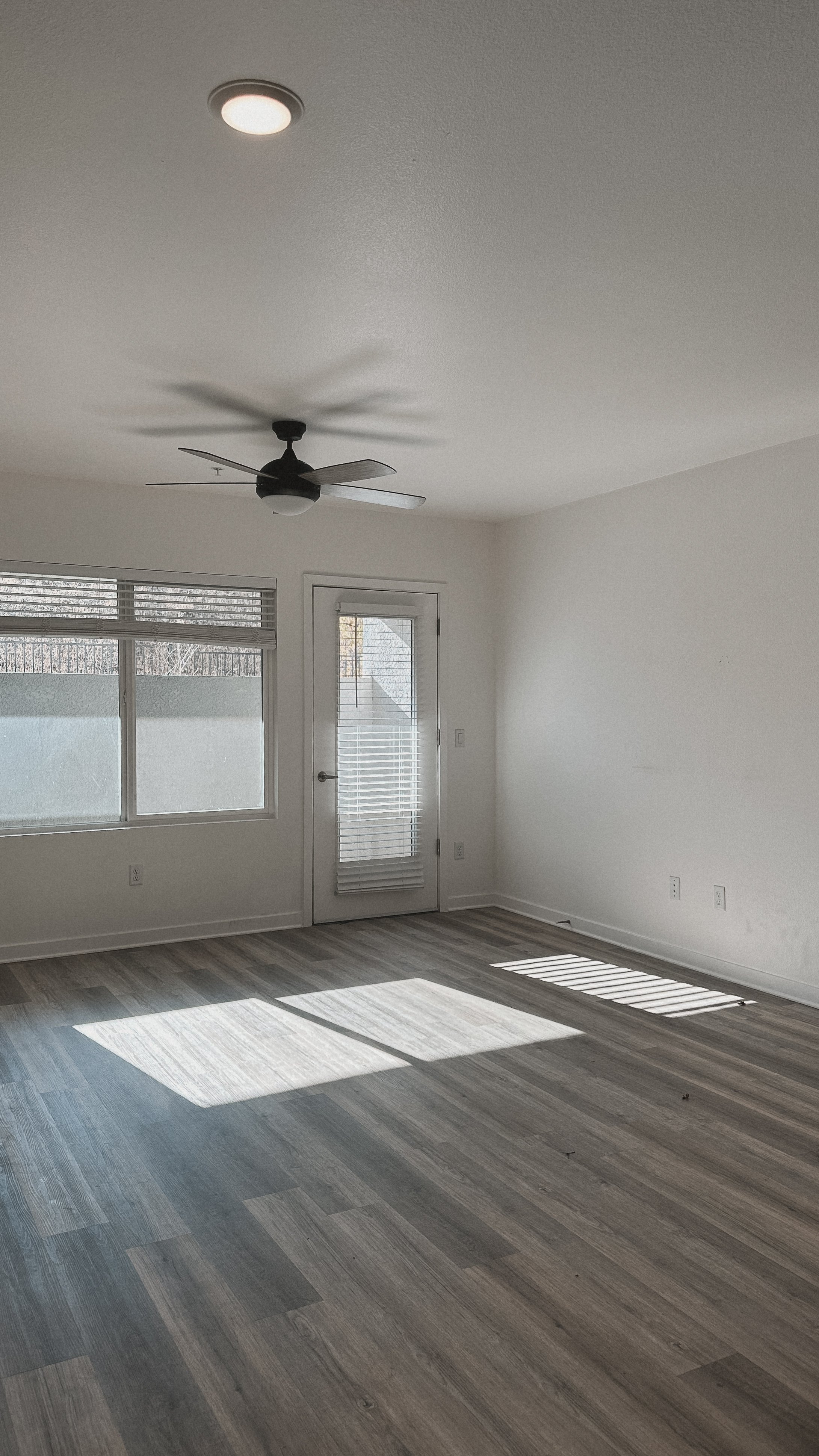
As I write this, the movers have already come. My life is packed into boxes. Loose ends are being tied. Soon we’ll be on the road. I don’t feel brave all the time. Mostly, I feel tender. Exposed. Uncertain.
I know change doesn’t happen just because you want it. I’ve failed enough New Year’s resolutions to know that. One study says it takes about 66 days to form a new habit. That feels like a long time—and also not long at all.
So this year, I’m committing to bravery instead of outcomes. I’ve set a challenge for myself: 52 brave things. One each week. Try. Show up. Fail if necessary. Success isn’t the point. Willingness is.
This feels like an experiment. A risk. A leap. Edmund Hillary is quoted with this sentiment— “It's not the mountain we conquer, but ourselves.” That is what I am looking forward to! It might feel scary, but that has to be okay. For the first time in a long while, it also feels honest. No more pretending. So welcome, 2026! Welcome, change. Welcome, joy!
- Connie