This Week’s Goal: Learning to Sleep Without Escaping
For the past ten years, I’ve relied on sleep aids—pretty regularly, and pretty heavily. It started innocently enough: waking in the middle of the night and not being able to fall back asleep. Anyone who’s been there knows how maddening that can feel. The quiet gets loud. Thoughts stack up. Frustration grows teeth.
So I justified it. If this is what it takes to get good sleep, then fine. I was working hard, adapting to a new life—unmarried, alone, learning how to live as a single person for the first time ever. I couldn’t afford poor sleep. Or at least, that’s what I told myself.
But if I’m being honest, sleep wasn’t just about rest. I didn’t like what had happened to my life, and sleep became an escape. When my body and mind betrayed me—when they wouldn’t shut off or quiet down—I felt justified in reaching for help.
Writing this feels vulnerable. It’s hard to be this honest about how I’ve handled stress. I wish I’d been stronger, braver, smarter. But this is the truth.
Sleep Has Always Been Complicated
The truth is, sleep has never come easily for me. As a child, I remember my mother giving me scriptures to help me fall asleep—verses meant to reassure me that God was near, that I was safe.
“When you lie down, you will not be afraid; when you lie down, your sleep will be sweet.”
—Psalm 3:24
I’m grateful for her intention. But I also wish we had then what we have now—language, diagnostics, and tools that help explain why some children feel so deeply, think so loudly, or live with constant undercurrent anxiety. Things we now understand might place someone somewhere on the autism spectrum, or at least offer practical explanations and solutions.
My parents weren’t equipped for that. I was simply labeled “an anxious child,” and I learned to deal with it on my own.
When Help Turns Into Habit
As an adult, that self-reliance turned into something else. I learned to depend on acetaminophen PM products—Tylenol PM and the like. Two pills at bedtime became the norm… until it wasn’t enough.
Eventually, it looked like this:
Two at 8:00 p.m.
Two more at 9:00.
Sometimes two more at 10:00 if I didn’t feel them “kick in.”
I knew it wasn’t good for me. I knew doctors would warn against it. But sleep felt more important than any warning label on the back of a bottle.
I’m not proud of it.
What the Warnings Actually Say
There are warnings about these sleep aids—warnings I ignored for a long time.
Melatonin, for example, can suppress deeper sleep (slow-wave sleep) while increasing REM sleep, which can lead to vivid or even disturbing dreams and nightmares. Diphenhydramine—the antihistamine in Tylenol PM—acts on the central nervous system to induce drowsiness, but it can suppress REM sleep altogether. When REM sleep is disrupted, sleep becomes fragmented and less restorative.
These products are also meant for short-term use. Over time, they lose effectiveness—and the body asks for more.
For me, they helped me fall asleep. But now I want something different.
Wanting Rest—Not Escape
I want to find more natural ways to sleep. I don’t want to wake up groggy. I don’t want to have no memory of my dreams. And I don’t want to be so desperate for relief from my own life.
I moved across the country. I am changing my life—on purpose. I’m hoping to increase the quality of my days, not just survive them. I want a life I choose, not one I’m constantly adapting to.
And that includes how I sleep.
The Overwhelming World of Sleep Advice
One thing sleep experts agree on is consistency—but after that, the advice can feel endless.
Here are just a few of the common recommendations:
Get regular exposure to sunlight (about 30 minutes a day)
Avoid nicotine and caffeine, especially later in the day
Skip naps within six hours of bedtime
Exercise 3–4 hours before bed
Avoid large meals and excess liquids in the evening
Limit alcohol, which reduces sleep quality
Dim the lights as bedtime approaches
Wind down with a book, music, or journaling
Take a hot bath or shower
Keep your bedroom cool and dark
Get bright light during the day and avoid it at night
Use blackout curtains or an eye mask
Try earplugs or a sound machine
So this week, my goal is simple (and ambitious): experiment with non-medicinal sleep supports and see what actually works for me. I know this won’t be solved in a week—but you have to start somewhere.
Along the way, I’ll share what I learn, both from research and from lived experience.


My First Step: Sound
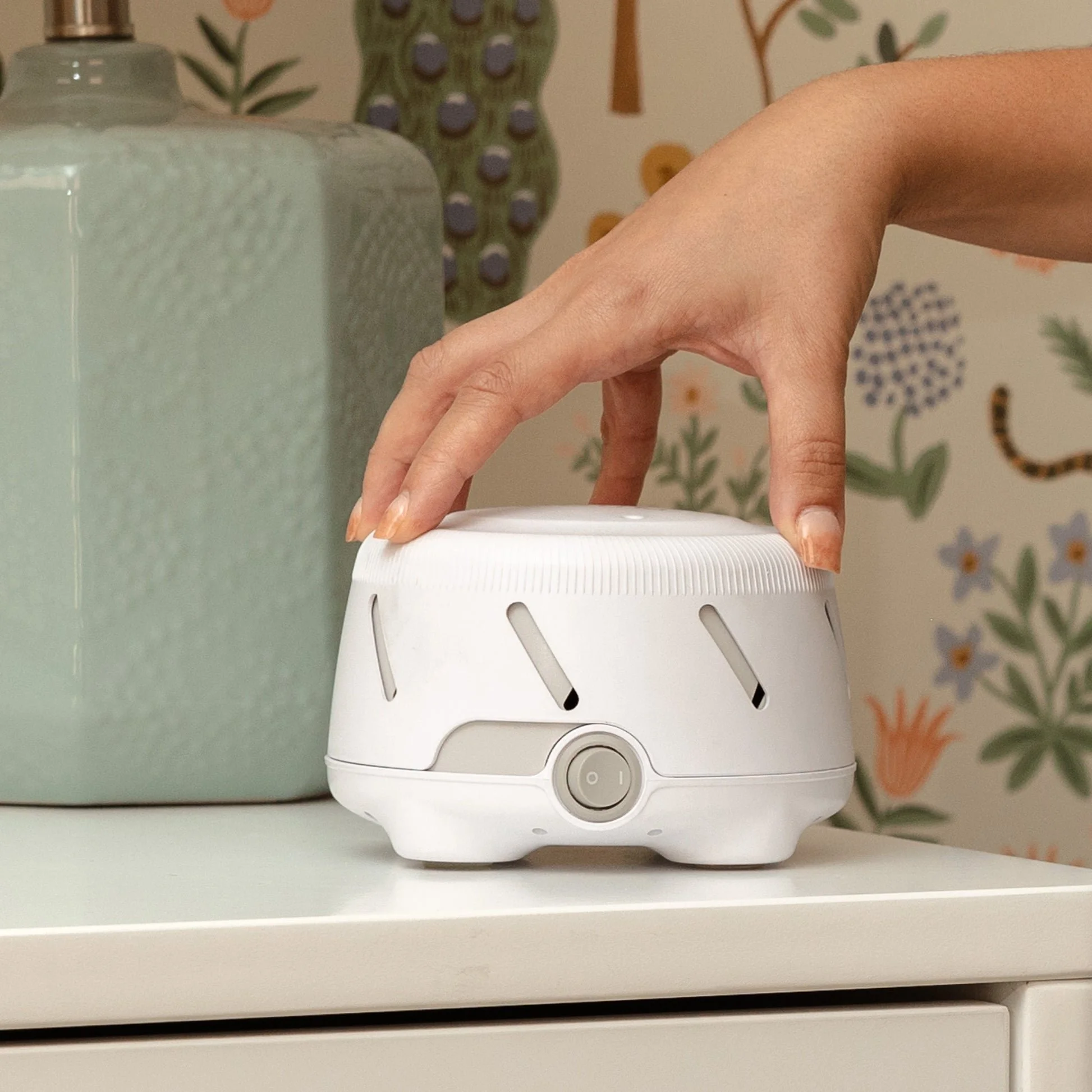
The very first thing I did was order a sound machine—a Yogasleep Dohm. It’s been around since 1962 and claims to be the original white noise machine, using real fan-based sound instead of recordings. If you want to check it out for yourself, click this link.
From the very first night, I was sold.
It blocks out apartment noise, street traffic, and all the little sounds that jolt you awake when you’re sleeping lightly. I honestly don’t think I’d want to sleep without it now.
Experiments (and Frustrations)
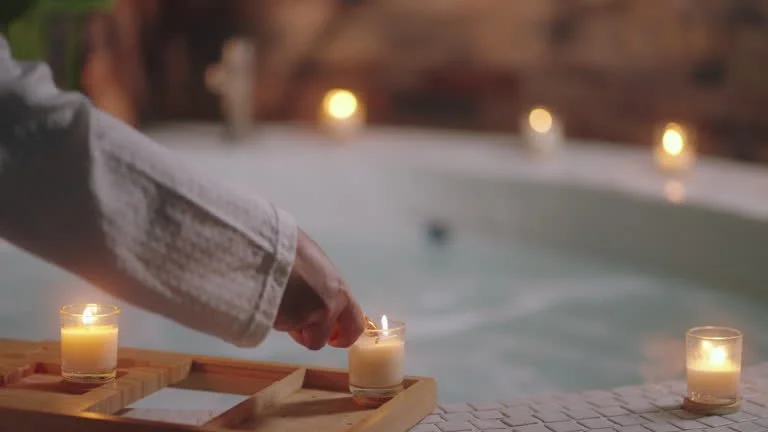
One night, I tried no medication at all. I took a long hot bath—about 30 minutes—with calm music and zero screen time. It was relaxing… but sleep didn’t come easily. I fell asleep late, woke multiple times, and woke up early. It felt incomplete and frustrating, even while knowing that change takes time.
The next night, I dimmed the lights, turned on the sound machine, and read a chapter of a book. I took a melatonin and two Tylenol PM—no more than that. I did get drowsy while reading, but once the lights went out, I immediately wanted to reach for my phone. Breaking the screen-time habit is clearly going to be its own battle.
What I’ve Already Ruled Out
Some boxes are already checked. I’ve been getting plenty of sunlight lately—preparing for a major storm and running from store to store. I’m not drinking alcohol. I don’t nap.
What I haven’t reintroduced yet is exercise. It’s cold. Really cold. But today, I plan to use the vibration plate and walking pad and get some movement back into my day—while we still have electricity.
No Shame, Just Persistence
There are so many options to try—and this week, I’ve tried a lot of them. What I’m learning is this: change doesn’t just happen. It’s rarely accidental. It’s something we fight for, gently but consistently, every single day.
Sleep is a beast I haven’t conquered yet. But I’m not giving up.
Sleep is deeply personal. Comparing your rest to someone else’s—your partner, your child, your family—is rarely helpful. We all have different needs and pressures. The real work is finding what works for you.
No shame. No judgment.
For me, the goal is consistency, peace, and learning how to live gently in the world—awake and asleep alike.
